

Effective home upgrades in 2026 are defined by the strategic combination of high-ROI renovations, energy-efficient technology, and intentional design that increases both property value and daily livability. This guide to home upgrades 2026 covers the full spectrum of residential renovation planning, from selecting projects with the strongest financial return to navigating permits, budgeting accurately, and integrating the design trends reshaping American homes this year. Whether you are a Jacksonville homeowner improving your primary residence or a property investor optimizing a portfolio asset, the decisions you make now will determine both your comfort and your resale position. Ofirengineering, with over 15 years of licensed construction experience in Jacksonville, has compiled this resource to give you a clear, practical framework for every stage of the process.
Which home upgrades maximize value and functionality in 2026?
The best home upgrades 2026 has to offer fall into five proven categories: curb appeal, kitchen, bathroom, outdoor living, and functional space additions. Each category carries distinct ROI characteristics, and understanding those differences is the foundation of any sound upgrade your home guide.
Curb appeal and exterior upgrades remain the most cost-efficient entry point for resale-focused renovations. Garage door replacements, fiber-cement siding, and upgraded entry doors consistently rank among the top performers in cost-versus-value analyses. These projects signal quality to buyers before they step inside, and they require relatively modest budgets compared to interior gut renovations.
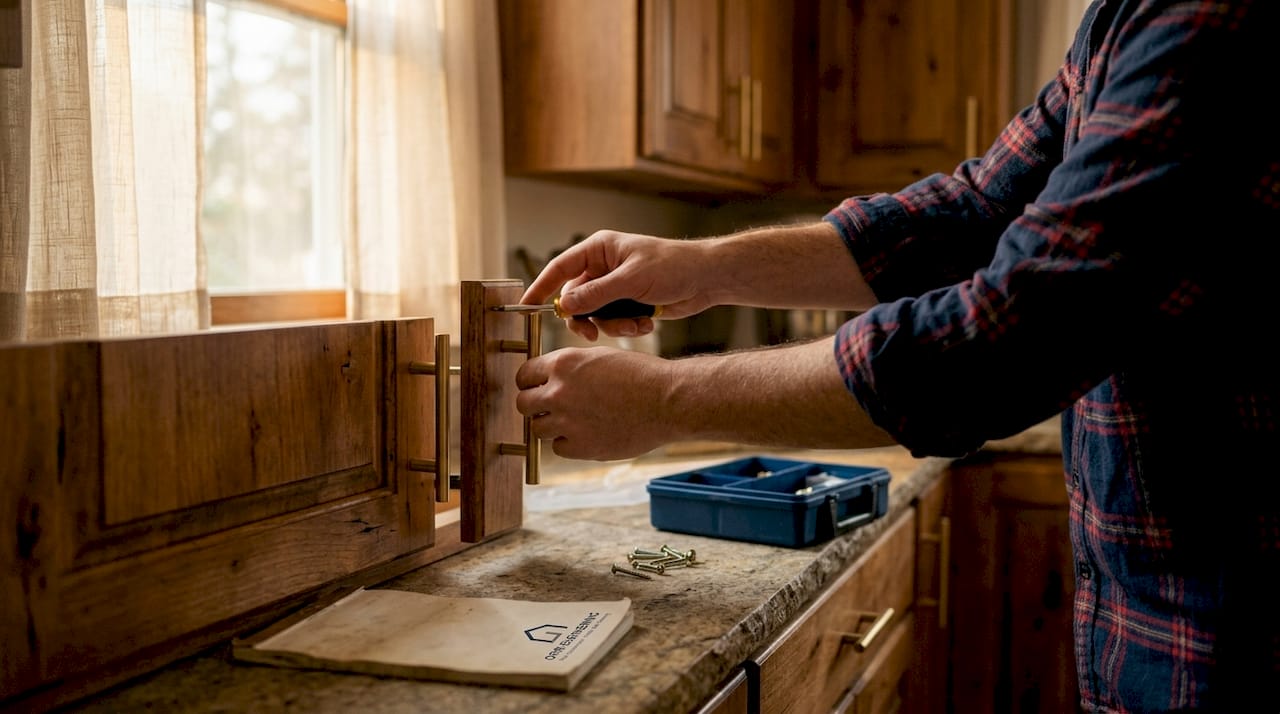
Kitchen upgrades reward restraint. Minor kitchen remodels deliver ROI near 96%, which is a figure that full gut renovations rarely match. This means replacing cabinet fronts, updating hardware, installing a new countertop, and adding a kitchen island often outperforms a complete structural overhaul in terms of dollars recovered at resale. Walk-in pantries are also gaining traction as a buyer priority in 2026, particularly in mid-to-upper-tier markets.
Bathroom renovations are experiencing significant momentum. Bathroom renovation activity has grown by 48% in 2026, driven by demand for spa-like features including freestanding soaking tubs, heated tile floors, and frameless glass enclosures. These upgrades serve dual purposes: they improve daily quality of life and they differentiate a property in competitive resale markets.
Outdoor living spaces such as composite decks, screened patios, and outdoor kitchens extend usable square footage without the permitting complexity of interior additions. In Florida's climate, these spaces function as year-round living areas, which increases their perceived and appraised value significantly.
Accessory dwelling units (ADUs) represent the highest-impact functional upgrade for property investors. An ADU adds a rentable unit to an existing lot, generating income while increasing overall property value. Smart home technology integration within ADUs, including AI-driven climate control and security systems, is now a standard expectation among renters in 2026.
| Upgrade Category | Estimated ROI | Primary Benefit |
|---|---|---|
| Minor kitchen remodel | ~96% | High resale return with modest spend |
| Garage door replacement | ~90%+ | Strong curb appeal, low cost |
| Bathroom spa upgrade | 60–70% | Buyer differentiation, daily comfort |
| Composite deck addition | 65–75% | Extended living space, Florida climate advantage |
| ADU addition | Variable, high | Rental income plus property value increase |
Pro Tip: Focus kitchen budgets on visible surfaces first. Countertops, cabinet fronts, and lighting have the highest visual impact per dollar spent and are the elements buyers notice immediately during walkthroughs.
How to plan and budget home upgrades effectively in 2026
Accurate budgeting is the single most common failure point in residential renovation projects, and the 2026 cost environment makes precision more critical than ever.
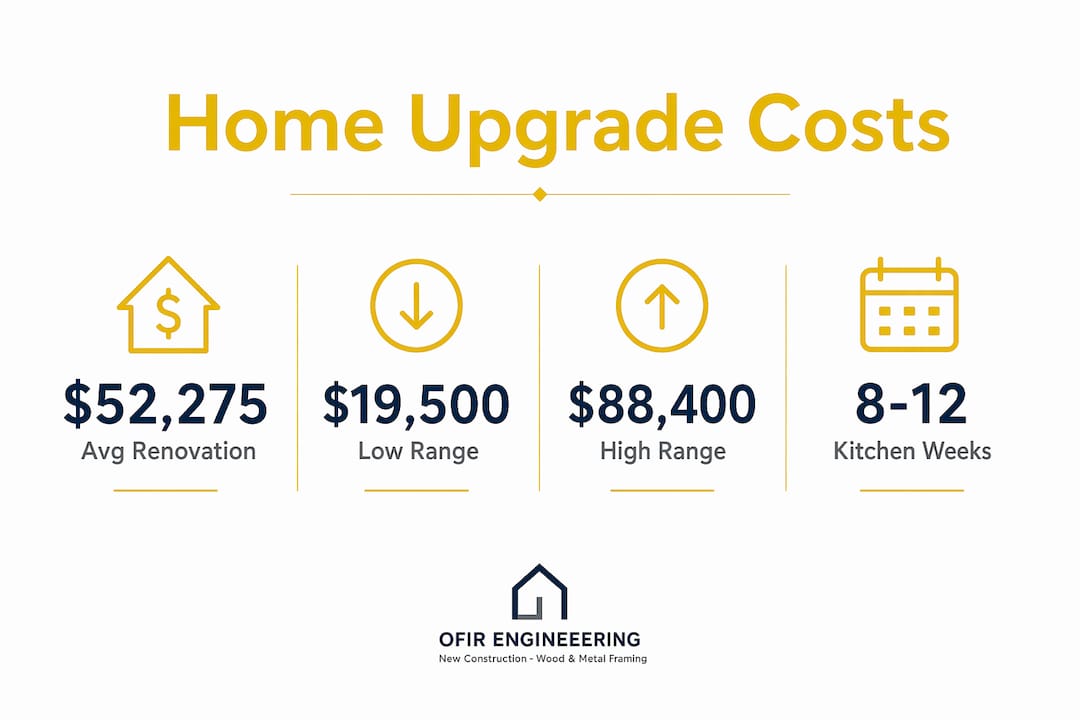
Average whole-home renovation costs run approximately $52,275 for mid-sized homes, with a realistic range from $19,500 to $88,400 depending on scope, materials, and regional labor rates. These figures represent completed construction costs and do not include design fees, permit costs, or temporary housing expenses if relocation is required during the project.
Labor costs for regulated trades including electricians, plumbers, and HVAC technicians have risen 8 to 12% year-over-year in 2026. This increase directly affects total project budgets and makes early contractor engagement more valuable than ever. Locking in a licensed contractor's schedule and pricing before finalizing your project scope protects you from mid-project cost escalations.
A structured budgeting approach for 2026 home renovation ideas should follow this sequence:
- Define project scope in writing before soliciting any bids. Vague scopes produce wildly inconsistent estimates that are impossible to compare accurately.
- Obtain three competitive bids from licensed contractors. Verify license status through your state's contractor licensing board before signing any agreement.
- Allocate a 15 to 20% contingency buffer on top of your base project budget. For homes built before 1980, older homes require an added 15 to 25% contingency beyond the standard buffer due to hidden structural, electrical, and plumbing conditions that surface only after walls are opened.
- Identify applicable tax credits. Federal tax credits cover up to 30% of qualifying energy-efficient improvements including heat pump HVAC systems and insulation upgrades through 2032. This credit meaningfully reduces the net cost of projects that qualify.
- Select a financing vehicle appropriate to your equity position. HELOCs offer flexible draw schedules suited to phased projects. Home equity loans provide fixed rates better suited to single-scope renovations. Personal renovation loans serve homeowners with limited equity but carry higher interest rates.
Pro Tip: Schedule contractor consultations in late summer or early fall. Contractor availability typically improves after the peak spring and summer season, and some firms offer more competitive pricing to fill their fall and winter schedules.
For Jacksonville-specific renovation cost breakdowns, Ofirengineering publishes detailed regional data that accounts for local labor rates, material availability, and permitting timelines specific to Duval County.
What design and technology trends should homeowners embrace in 2026?
The 2026 design environment marks a clear departure from the aggressive minimalism that dominated the previous decade. Design experts note a shift toward "thoughtful, timeless" style that layers texture, warmth, and personal expression rather than stripping spaces to bare essentials. This shift has practical implications for upgrade decisions: materials and finishes that read as warm and durable, such as natural wood, stone, and aged brass, are outperforming stark white and gray palettes in buyer preference surveys.
Smart home technology demand has increased 33% year-over-year as of 2026. AI-driven climate control systems, automated lighting, and integrated security platforms are now baseline expectations in the mid-to-upper residential market rather than premium differentiators. Homeowners who incorporate these systems during a renovation spend significantly less than those who retrofit them into completed spaces later. For ADU applications, smart home integration in 2026 includes energy monitoring, remote access control, and HVAC zoning as standard features.
Wellness-focused spaces represent the most significant emerging category in home renovation ideas 2026. These include:
- Infrared saunas installed in converted spare bedrooms or basement spaces, with electrical requirements typically in the 20 to 40 amp range
- Recovery rooms designed with acoustic insulation, circadian lighting, and air filtration systems
- Quiet rooms prioritizing natural light, minimal EMF exposure, and biophilic design elements
- Home gyms with rubber flooring, mirrored walls, and dedicated ventilation
Wellness-oriented ADUs in 2026 increasingly incorporate quiet rooms and natural light optimization as primary design objectives rather than afterthoughts. These features command rental premiums and improve owner satisfaction metrics in post-occupancy surveys.
"The 2026 renovation philosophy favors intentional living. Smaller, high-impact upgrades consistently outperform full gut remodels in balanced ROI analysis, and homeowners who embrace this approach report higher satisfaction with both the process and the outcome." — Renovation Trends 2026
Interior painting remains one of the most cost-effective upgrades available. 20% of homeowners prioritize interior painting with an average spend of $2,000, and the shift toward warmer, layered color palettes in 2026 means a fresh coat in the right tone can meaningfully reposition a home's perceived quality without structural investment.
How can homeowners avoid common renovation mistakes and navigate permits in 2026?
Permit compliance is not optional, and the consequences of unpermitted work extend well beyond a fine. Unpermitted structural, electrical, plumbing, or HVAC work creates title complications at resale, voids homeowner's insurance coverage for related claims, and may require costly demolition and reconstruction to bring the work into compliance.
Permitting typically takes 4 to 6 weeks for major projects and is mandatory for the following work types:
- Structural modifications including wall removal, additions, and foundation work
- Electrical panel upgrades, new circuit installation, and service changes
- Plumbing relocations, new fixture rough-ins, and sewer line modifications
- HVAC system replacements and ductwork modifications
- Window and door replacements that alter the rough opening size
Cosmetic work, including painting, flooring replacement, cabinet refacing, and fixture swaps that do not alter rough-in locations, is generally exempt from permitting requirements. Confirming the specific requirements with your local building department before starting any project is the correct first step, not an afterthought.
Timeline underestimation is the second most common renovation mistake. Pre-construction phases including design development and permit review add 2 to 3 months to total project duration before a single nail is driven. A kitchen remodel with an 8 to 12 week construction timeline may carry a total project duration of 5 to 6 months when design, permitting, and material lead times are properly accounted for.
Older homes present specific risks that require proactive planning. Pre-1980 construction frequently contains knob-and-tube wiring, galvanized plumbing, asbestos-containing materials in floor tiles and insulation, and undersized structural members that do not meet current code. Each of these conditions triggers additional scope, cost, and timeline when discovered mid-project. A pre-renovation inspection by a licensed home inspector and, where applicable, a licensed structural engineer, is the most cost-effective risk mitigation available.
Hiring licensed professionals for regulated trades is not a preference. It is a legal requirement in most jurisdictions and a financial protection for the homeowner. DIY is cost-effective only for non-permitted tasks such as painting, landscaping, and finish carpentry. Electrical, plumbing, and HVAC work performed without a license creates liability exposure that far exceeds any labor cost savings. For Jacksonville homeowners, Ofirengineering's guide on navigating the renovation process covers local permit workflows in detail.
Key takeaways
The most effective home upgrade strategy in 2026 combines high-ROI projects like minor kitchen remodels and bathroom upgrades with accurate budgeting, permit compliance, and intentional design choices that reflect current buyer preferences.
| Point | Details |
|---|---|
| Prioritize minor over major renovations | Minor kitchen remodels recover ~96% of cost at resale; full gut renovations rarely match that return. |
| Build in a contingency buffer | Standard projects need 15 to 20%; pre-1980 homes require an additional 15 to 25% for hidden conditions. |
| Account for pre-construction time | Design and permitting add 2 to 3 months before construction begins; plan your schedule accordingly. |
| Claim energy efficiency tax credits | Federal credits cover up to 30% of qualifying HVAC and insulation upgrades through 2032. |
| Hire licensed professionals for regulated trades | DIY on electrical, plumbing, or HVAC creates legal liability and insurance gaps that exceed any savings. |
What experience actually teaches about upgrading your home
Having worked through hundreds of residential renovation projects across Jacksonville, the pattern that emerges most clearly is this: homeowners who struggle most are not those with the smallest budgets. They are the ones who underestimated the planning phase and treated it as a formality rather than the most consequential part of the entire project.
The clients who achieve the best outcomes, both financially and in terms of personal satisfaction, are those who spend real time defining what they actually want before they engage a contractor. Not a vague sense of "updated kitchen" or "nicer bathroom," but a specific scope with material selections, a realistic timeline, and a budget that includes contingency from day one. That level of preparation changes every subsequent conversation with a contractor, a permit office, and a materials supplier.
The 2026 trend toward intentional, smaller-scale upgrades is something I find genuinely encouraging. The industry spent years pushing homeowners toward full gut renovations that frequently delivered diminishing returns and months of disruption. The current philosophy, prioritizing high-impact targeted projects over wholesale demolition, aligns far better with how most people actually live and what most budgets can realistically support.
One area where I see consistent underinvestment is energy efficiency. The 30% federal tax credit for heat pump systems and insulation improvements is one of the most straightforward financial wins available to any homeowner right now, and it is still being overlooked by a significant portion of the market. Pairing an energy-efficient HVAC upgrade with proper insulation reduces operating costs, improves indoor comfort, and qualifies for a credit that directly offsets the project cost. That combination is difficult to beat from a pure financial standpoint.
The other consistent lesson is that contractor selection matters more than any single material or design choice. A skilled licensed contractor working with mid-grade materials will consistently outperform an unlicensed operator using premium finishes. Verify licenses, check references from completed projects, and read the contract carefully before signing anything.
— Owen
How Ofirengineering supports your 2026 renovation goals
Ofirengineering is a licensed Jacksonville construction firm (CHC1540016) with over 15 years of experience in residential remodeling, new construction, and turnkey renovation management. The team specializes in ROI-driven upgrade planning, energy-efficient construction, and full-project management from design through final inspection.
For homeowners and investors planning upgrades this year, Ofirengineering provides detailed budgeting strategies and remodel planning resources that account for 2026 labor costs, permit timelines, and material pricing in the Jacksonville market. Property investors seeking to maximize renovation returns across Florida assets will find project-specific guidance aligned with current market conditions. Contact Ofirengineering directly to schedule a consultation and build a renovation plan grounded in local expertise and proven execution.
FAQ
What home upgrades have the best ROI in 2026?
Minor kitchen remodels lead at approximately 96% ROI, followed by garage door replacements and bathroom upgrades with spa-focused features. Curb appeal projects consistently deliver strong returns relative to their cost.
How much should I budget for a whole-home renovation in 2026?
Average whole-home renovation costs run approximately $52,275 for mid-sized homes, with a range from $19,500 to $88,400. Add a 15 to 20% contingency buffer, and an additional 15 to 25% for homes built before 1980.
Do I need a permit for home upgrades in 2026?
Permits are required for structural, electrical, plumbing, and HVAC work, with approval typically taking 4 to 6 weeks. Cosmetic updates like painting and flooring replacement generally do not require permits.
How long does a home renovation take from start to finish?
A kitchen remodel takes 8 to 12 weeks of construction, but pre-construction phases including design and permitting add 2 to 3 months to the total timeline. Plan for 5 to 6 months total for a mid-scope kitchen project.
What are the top design trends for home upgrades in 2026?
Smart home technology demand is up 33% year-over-year, and design is shifting from minimalism toward layered, warm, timeless aesthetics. Wellness spaces including infrared saunas and recovery rooms are the fastest-growing new category in residential renovation.