
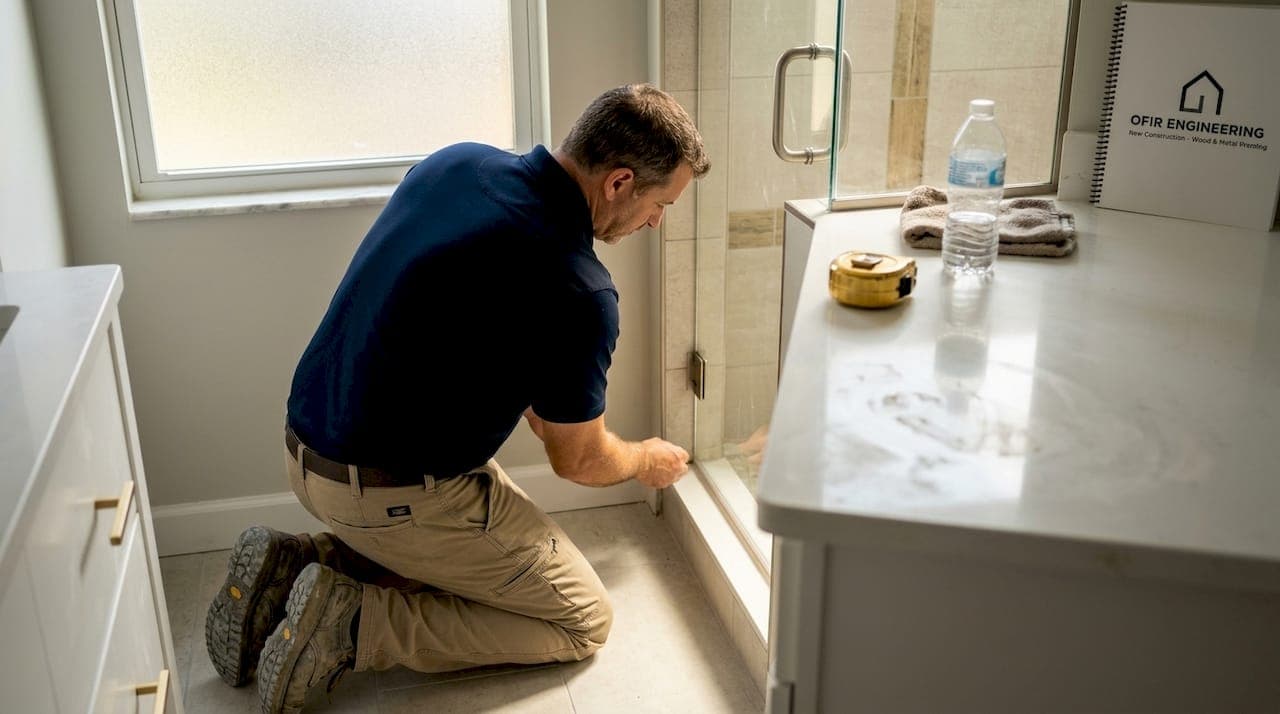
Two nearly identical kitchen renovations can produce dramatically different financial and comfort outcomes years down the line, and the difference rarely comes down to cosmetic choices or total budget. Remodel ROI is meaningfully affected by quality and scope, with two comparable projects yielding different resale results when one relies on cheaper materials or corner-cutting processes. For Jacksonville homeowners watching property values closely and living through Florida's demanding climate conditions, understanding quality at a structural and procedural level is not optional. It is the single most important variable in getting genuine, lasting value from any remodeling investment.
Table of Contents
- Quality craftsmanship: More than just looks
- How quality impacts resale value and ROI
- Quality benefits beyond ROI: Comfort, durability, and hassle reduction
- Common shortcuts and their hidden costs
- The uncomfortable truth most experts won't tell you about quality
- Ready to remodel? Take your next step with confidence
- Frequently asked questions
Key Takeaways
| Point | Details |
|---|---|
| Quality drives ROI | High-quality materials and processes yield better resale value and overall returns. |
| Comfort and durability | Investing in quality reduces repairs and enhances everyday enjoyment. |
| Hidden shortcut risks | Low bids may result in costly mistakes and future disruption to your home. |
| Process matters | Structured workflows and oversight protect your home's details and long-term value. |
| Jacksonville market insights | Exterior improvements often deliver higher ROI locally when quality is prioritized. |
Quality craftsmanship: More than just looks
When most homeowners think about quality in remodeling, they picture polished countertops, straight tile lines, or a flawless paint finish. Those things matter, but they represent only the surface layer of what quality actually means in residential construction. True quality is rooted in process, sequencing, and oversight, long before any finish material is installed.
Quality craftsmanship in residential remodeling depends on process methods such as careful sequencing, structured workflows, mock-ups, and hands-on oversight to preserve design intent and protect complex details. This means a skilled contractor is thinking about what happens behind the wall before it closes: how insulation interfaces with framing, how moisture barriers transition at window rough openings, and how mechanical systems route through structural members without compromising load paths.
Consider a bathroom renovation where a contractor installs beautiful tile work, but the waterproofing membrane beneath was improperly lapped at the shower pan transition. Within 18 to 24 months, water infiltrates the subfloor assembly, softening the substrate and eventually damaging the floor framing below. The tile still looks fine. The structural damage is invisible until the repair bill arrives. This is the edge-case reality that separates surface-level quality from genuinely durable work.
Good home remodeling tips consistently emphasize that the most important quality decisions happen at the planning and sequencing stages, not at the finishing stage. A well-developed remodeling strategy accounts for trade coordination, inspection hold points, and material lead times so that work proceeds in the right order without forcing shortcuts under schedule pressure.
Key markers of genuine quality in remodeling process include:
- Structured work sequencing: Framing, rough-in mechanical/electrical/plumbing, insulation, and air sealing are completed and inspected before any finish work begins.
- Mock-ups and verification: Critical details such as tile patterns, material transitions, and window trim profiles are mocked up and reviewed before full installation proceeds.
- Active oversight: A site supervisor or project manager reviews work at each phase transition, not just at project completion.
- Documentation and compliance: Work meets or exceeds local building code, with permits pulled, inspections passed, and documentation retained for future reference.
"The most durable remodeling outcomes come from getting the sequence right. You can always replace a cabinet pull. You cannot easily re-flash a roof-to-wall transition once it is buried under roofing material." — A principle consistently reinforced by experienced residential contractors in high-humidity climates.
How quality impacts resale value and ROI
Understanding what quality involves is only useful when you connect it to financial outcomes. For Jacksonville homeowners, the relationship between craftsmanship quality and return on investment is direct and measurable, though it varies meaningfully by project type and scope.
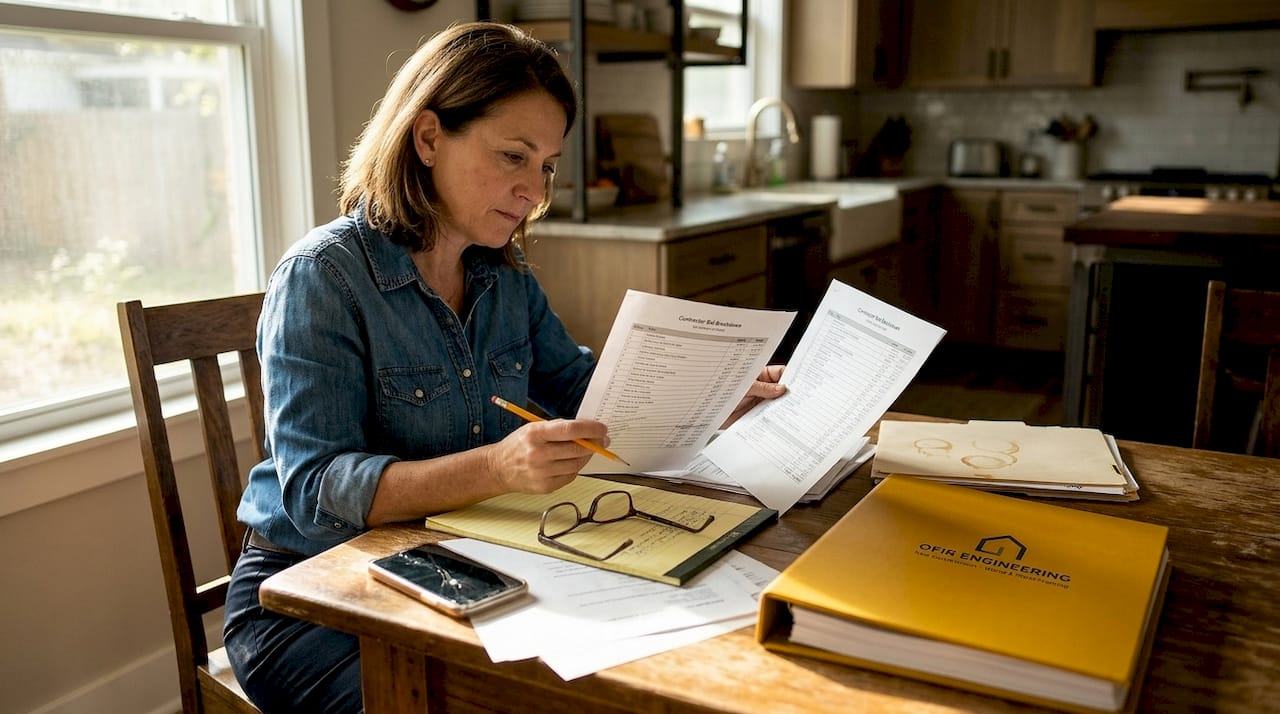
Remodel ROI is affected by both quality and scope, meaning that two projects with the same budget can produce different resale outcomes based purely on how well the work was executed and what materials were chosen. A mid-range kitchen remodel executed with proper process, quality cabinetry, and durable countertops will consistently outperform a higher-priced remodel that used cheaper cabinets with premium hardware to mask the underlying quality gap.
Project type also matters significantly. Quality choices influence ROI differently across project categories, with lower-cost, high-visibility exterior upgrades often holding value better than larger, higher-material-cost interior remodels. This is a useful framework for Jacksonville homeowners deciding where to invest their remodeling budget. Exterior work, such as garage door replacements, entry door upgrades, and manufactured stone veneer, tends to recoup a higher percentage of cost at resale because it is immediately visible to buyers and appraisers.
| Project type | Typical cost recoupment | Quality sensitivity |
|---|---|---|
| Exterior door replacement | 80%+ | High: finish and hardware durability visible immediately |
| Garage door replacement | 90%+ | Moderate: functional and visual, lower complexity |
| Mid-range kitchen remodel | 60-75% | Very high: cabinet quality, countertop durability, sequencing |
| Bathroom addition | 50-65% | Very high: waterproofing, tile installation, fixture quality |
| Basement finishing | 55-70% | High: moisture management, insulation continuity |
The table above reflects a consistent pattern: higher-complexity interior projects carry the greatest quality sensitivity, meaning that cutting corners in these spaces produces the steepest reduction in recoupment. Understanding which profitable renovations actually deliver in the Jacksonville market requires knowing not just what to renovate, but how to renovate it correctly. Reviewing top value renovations specific to the local market provides a useful starting point for prioritizing projects.
Pro Tip: When evaluating contractor bids, request an itemized breakdown that separates labor, materials, and overhead. If two bids differ significantly, the difference almost always lives in material grade or labor time, both of which directly affect quality and long-term durability.
Quality benefits beyond ROI: Comfort, durability, and hassle reduction
ROI metrics are important for homeowners planning to sell, but a significant portion of Jacksonville homeowners remodel with the intention of staying in their homes for years or even decades. For these homeowners, well-executed quality work can be worth more than resale recoupment because it improves day-to-day comfort and reduces disruption from repairs, even when some projects have lower cost-recovery percentages.
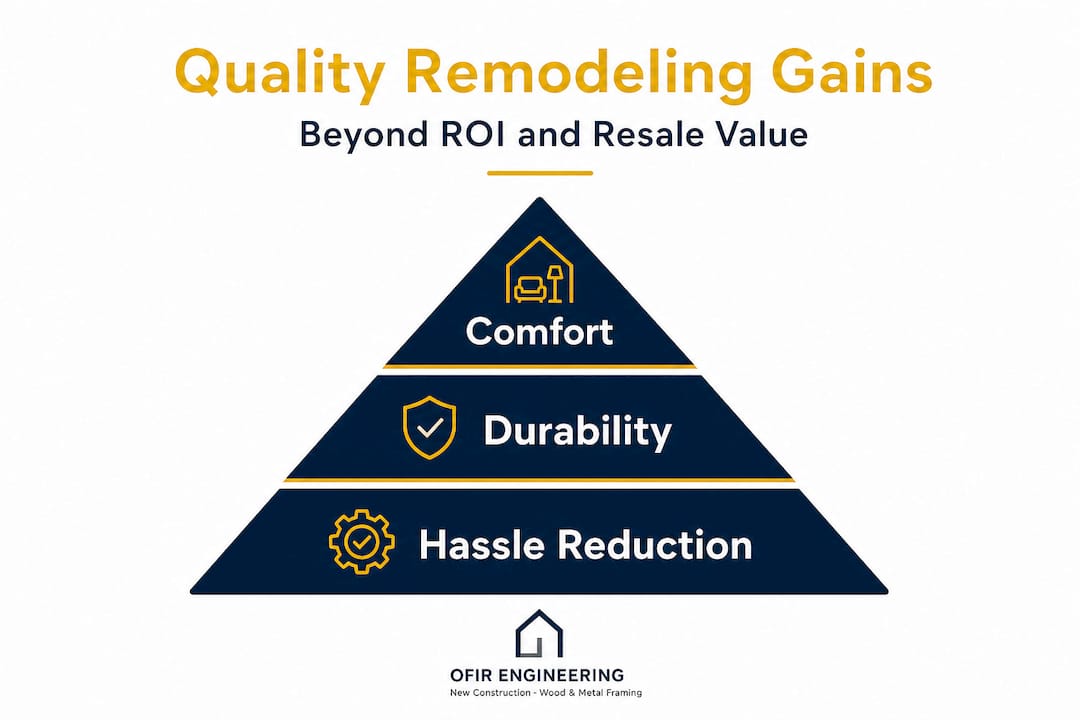
Think about what it means to live in a home where the HVAC system operates efficiently because the duct transitions were properly sealed and insulated during a remodel. Or where the master bathroom remains warm and dry because the tile installer understood vapor management. These are not abstract benefits. They are the accumulated comfort of living in a space that was built correctly from the start.
Quality remodeling also translates directly into reduced maintenance frequency and lower repair costs over time. A few specific examples illustrate this well:
- Exterior cladding with proper flashing: Correctly flashed windows and siding transitions prevent water infiltration for 20 or more years. Poorly flashed details commonly require remediation within five to seven years, often at costs that exceed the original installation savings.
- Tile work with proper substrate preparation: Tiles installed over a correctly prepared, waterproofed substrate remain serviceable for decades. Tiles installed over improperly prepared surfaces delaminate, crack, and require replacement within a fraction of that lifespan.
- Framing and structural modifications with engineered oversight: Structural changes that are properly designed and executed do not develop settlement cracks, sticking doors, or sagging transitions. Improperly handled structural work introduces problems that compound over time.
- HVAC and insulation sequencing: When insulation and air sealing are installed before mechanical systems are finalized, there is no opportunity for insulation voids or compromised air barriers around duct penetrations.
Explore how quality-focused home comfort upgrades can be planned to deliver both livability and lasting durability, particularly in Jacksonville's climate conditions.
Pro Tip: When reviewing a contractor's past work, ask specifically about projects they completed five or more years ago. Request to speak with those homeowners. The most revealing quality indicator is not how a project looked at completion, but how it has held up over time.
Common shortcuts and their hidden costs
Recognizing quality requires understanding its opposite. Many homeowners encounter contractor bids that appear competitive, only to discover later that the savings came from process shortcuts or material substitutions that introduce long-term costs far exceeding the initial reduction.
Cutting corners tends to surface as rework, durability issues, or higher total lifetime cost rather than long-term savings, even when the initial price looks attractive. This dynamic is particularly pronounced in Jacksonville's climate, where humidity, heat cycling, and storm exposure accelerate the deterioration of improperly installed components.
The most common shortcuts and their consequences include:
- Skipping or minimizing waterproofing in wet areas: Contractors may use standard drywall instead of cement board or appropriate moisture-resistant substrate in shower surrounds. The result is water infiltration into wall cavities, mold growth, and structural degradation that requires full gut rehabilitation to correct.
- Using undersized or low-grade lumber: Framing members that do not meet design specifications or are graded below what the application requires can lead to deflection, settlement, and cracking in finish materials over time.
- Inadequate insulation installation: Compressed batts, missing sections around rough openings, and unsealed penetrations all reduce thermal performance significantly, increasing energy costs and reducing comfort without any visible sign at completion.
- Improper transitions between dissimilar materials: Where flooring materials change, where interior meets exterior, or where old construction meets new, transitions require careful detailing. Work sequencing that prevents downstream failures is critical at these junctions. Contractors who rush these areas create leak points, movement cracks, and air infiltration paths.
- Skipping permits and inspections: Work completed without proper permits lacks third-party verification, which means compliance with fire blocking, structural bracing, and electrical safety requirements cannot be confirmed. This introduces both safety risk and title complications at resale.
Understanding the remodeling vs renovation distinction is also relevant here, because the scope of permitted work and the required quality standards differ meaningfully between the two, and treating a remodel like a cosmetic renovation often leads directly to these shortcut patterns.
"The true cost of a low bid is rarely visible on the day you write the check. It becomes clear in year three, when the grout is cracking, the doors are sticking, and the HVAC is working harder than it should." — A recurring observation from experienced building inspectors and residential contractors.
The uncomfortable truth most experts won't tell you about quality
Most discussions of remodeling quality stay safely within the territory of material grades and finish standards. The more useful insight, the one that actually changes homeowner decision-making, is this: quality in remodeling is nearly invisible at the moment of completion, and it becomes painfully obvious only after a few years of Florida weather and daily use.
A homeowner who accepts a low bid is not usually making a visibly bad choice on day one. The kitchen looks great. The bathroom tile is clean and level. The doors open and close smoothly. The quality gap only reveals itself gradually, through the slow accumulation of small failures: a corner of tile lifting here, a gap opening in caulked transitions there, a sticking door that wasn't sticking six months ago.
This matters especially in Jacksonville, where the combination of high humidity, summer storm exposure, and significant temperature cycling creates an environment that is genuinely harsh on construction materials and systems. ASCE 7 wind zone classifications for Northeast Florida carry meaningful design implications, and remodeling benefits that are planned with local climate demands in mind will consistently outperform work that ignores these variables.
The uncomfortable reality is that the homeowner who prioritizes initial cost over process quality almost always spends more over a ten-year horizon than the homeowner who invested in quality upfront. This is not speculation. It is the consistent finding across building science research, appraisal practice, and the experience of licensed contractors who regularly perform remediation work on failed lower-bid projects.
The practical implication for Jacksonville homeowners: evaluate contractors on their process first and their price second. Ask about sequencing, oversight, and inspection practices before discussing budget. The answers will reveal more about likely quality outcomes than any number of material samples or portfolio photographs.
Ready to remodel? Take your next step with confidence
Applying the principles covered in this article requires more than knowledge. It requires working with a team that builds quality into every phase of a project, from planning through final inspection.
Ofir Engineering brings over 15 years of licensed residential construction experience to Jacksonville homeowners who want to remodel with confidence. With a structured approach to project sequencing, material selection, and compliance, every project is managed to deliver durability and lasting value. Use the detailed renovation guide to understand the full scope of what a well-executed renovation involves, or start with the home renovation guide to clarify your goals and priorities before the first contractor conversation. Quality starts with the right foundation, and that foundation begins with informed planning.
Frequently asked questions
What are the signs of poor-quality remodeling?
Look for visible shortcuts like uneven surfaces, gaps in trim, and poorly finished transitions, as these usually indicate deeper structural or process flaws in how trades handled complex intersections and work sequencing.
Does exterior remodeling provide better ROI in Jacksonville?
Exterior upgrades frequently offer stronger ROI in Jacksonville because high-visibility exterior improvements hold value well in local market appraisals, particularly when quality materials and proper installation processes are used.
How can I ensure my remodeling project is high-quality?
Ask contractors specifically about their work sequencing and oversight procedures, since structured workflows and hands-on supervision protect design intent and durability far more reliably than a focus on speed or low cost.
Will paying more always lead to higher remodeling quality?
Not necessarily, because quality and scope both affect outcomes and actual quality depends on thorough process and skilled oversight rather than simply a higher price point or premium brand selection.
What are the long-term risks of cutting corners?
Cutting corners surfaces as rework and durability issues over time, with higher total lifetime costs that consistently exceed any short-term savings achieved through lower-grade materials or abbreviated installation processes.