
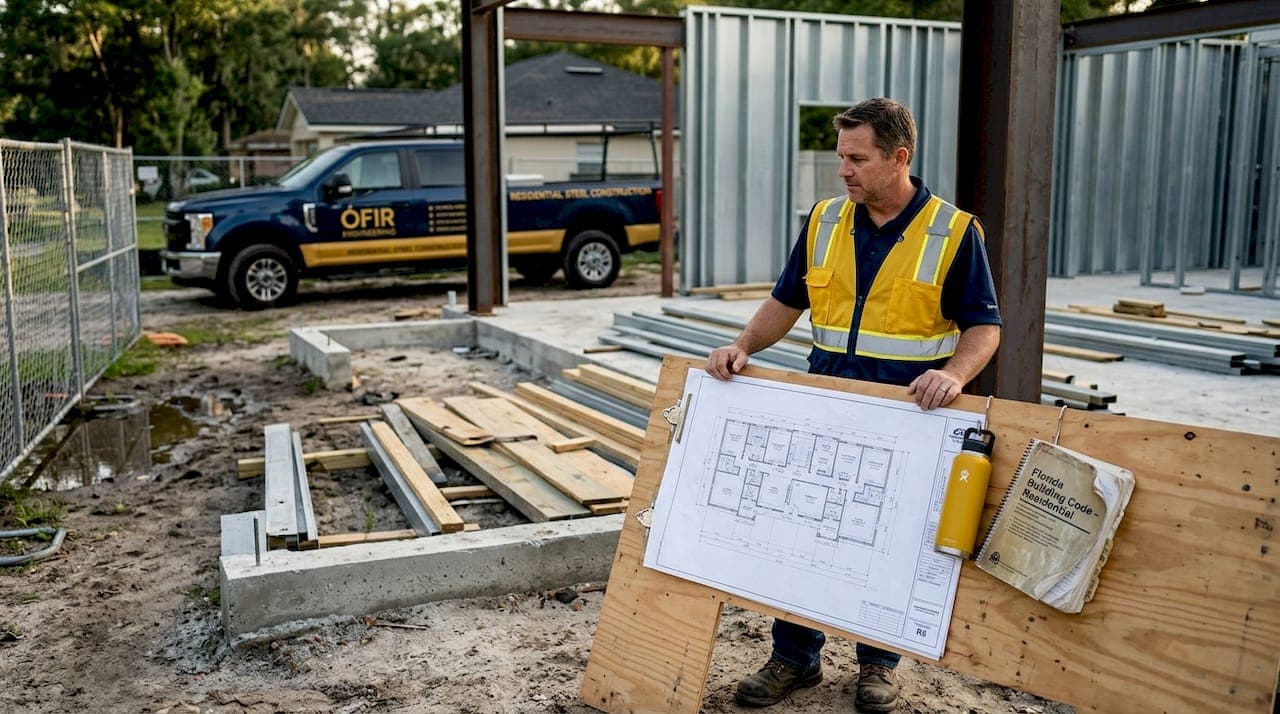
Many Jacksonville homeowners assume that managing their own renovation or new build is a straightforward way to save money. In practice, this decision frequently leads to permit violations, subcontractor disputes, insurance gaps, and project delays that cost far more than the fees a licensed general contractor would have charged. Understanding what a general contractor actually does, how their role differs from other project management approaches, and why their local expertise matters in Jacksonville's demanding regulatory and climate environment is essential knowledge before breaking ground on any residential project.
Table of Contents
- What does a general contractor do?
- Key responsibilities of a general contractor
- General contractor vs. other roles: What's the difference?
- How Jacksonville homeowners benefit from the right general contractor
- Pro tips for working successfully with a general contractor
- Why the right contractor, not just any contractor, makes or breaks your project
- Ready to find a trusted general contractor in Jacksonville?
- Frequently asked questions
Key Takeaways
| Point | Details |
|---|---|
| General contractor defined | A general contractor oversees and manages construction or renovation projects, serving as the homeowner’s main contact. |
| Key responsibilities | They handle planning, budgeting, hiring, permitting, and site safety to ensure your project runs smoothly. |
| Local expertise matters | Contractors familiar with Jacksonville’s codes and climate prevent costly delays and compliance issues. |
| Avoid DIY pitfalls | Acting as your own GC in Florida exposes you to serious liability, insurance gaps, and hidden risks. |
| Trust but verify | Always check licensing, set clear contracts, and choose value over the lowest bid for lasting results. |
What does a general contractor do?
A general contractor is the licensed professional at the center of every residential construction or renovation project. According to ConstructionCoverage, a general contractor "oversees and manages the entire residential construction or renovation project, coordinating subs, materials, schedules, permits, and code compliance." That single sentence captures an enormous scope of work that most homeowners significantly underestimate.
From the homeowner's perspective, the general contractor (commonly referred to as a GC) functions as a single point of accountability. Rather than coordinating separately with a framer, electrician, plumber, roofer, and tile setter, the homeowner communicates with the GC, who in turn directs every trade on site. This structure eliminates the scheduling conflicts, communication gaps, and finger-pointing between trades that routinely derail self-managed projects.
Familiarity with construction terms and local building practices is one of the most underappreciated qualities a GC brings to a project. In Jacksonville specifically, this means understanding Duval County's building department requirements, the wind load provisions that apply to structures in a coastal Florida environment, and the moisture and humidity considerations that affect material selection and installation practices. A GC without genuine local experience may technically hold a license but still make costly errors by applying inland construction standards to a market that demands a more rigorous approach.
Key responsibilities that fall under the general contractor's scope include:
- Subcontractor coordination: Vetting, hiring, scheduling, and supervising all specialty trades.
- Permit acquisition: Pulling all required building permits with the City of Jacksonville's Building Inspection Division before work begins.
- Material procurement: Sourcing materials at the right quality and price, managing deliveries to align with the project schedule.
- Budget oversight: Tracking costs against the approved budget and flagging any overruns before they become unmanageable.
- Code compliance: Ensuring all work meets Florida Building Code (FBC) standards and passes inspections at each required phase.
- Risk management: Carrying general liability and workers' compensation insurance that protects the homeowner from financial exposure if an accident occurs on site.
A homeowner who manages their own project takes on personal responsibility for every one of these functions. Without the experience, trade relationships, and insurance coverage a licensed GC provides, that responsibility quickly becomes overwhelming and financially dangerous.
Key responsibilities of a general contractor
Understanding the individual tasks that make up a GC's daily and project-wide responsibilities helps homeowners appreciate exactly what they are paying for, and why the fee structure is justified. Key responsibilities include project planning, subcontractor hiring, permit acquisition, material procurement, site safety, budget and schedule management, and project closeout. Each of these phases carries its own complexity.
A well-organized GC approaches the full construction project lifecycle with a documented plan before a single tool is lifted. Pre-construction activities include reviewing architectural drawings for buildability issues, creating a detailed schedule with trade sequencing, and establishing a clear budget baseline. This planning phase is where experienced contractors prevent the majority of expensive surprises.
The following numbered sequence reflects how a licensed GC typically structures their responsibilities across a standard residential project:
- Pre-construction review: Assess plans, identify potential code issues, and develop a phased project schedule aligned with permit timelines.
- Permit acquisition: Submit applications to the local building authority, coordinate with plan reviewers, and schedule required inspections at each milestone.
- Subcontractor selection: Solicit bids from licensed and insured trade contractors, verify credentials, and establish written subcontracts with defined scopes of work.
- Material ordering and delivery management: Coordinate lead times for structural components, windows, roofing systems, and specialty finishes to prevent schedule gaps.
- Active site supervision: Maintain daily oversight of all work on site, enforce quality standards, and address non-conforming work before it progresses further.
- Budget and change order management: Track expenditures against the approved budget, document any owner-requested changes with formal change orders before proceeding.
- Final inspections and closeout: Coordinate all final trade inspections, obtain certificates of occupancy, compile warranty documentation, and deliver a complete project handoff package to the homeowner.
Pro Tip: Before signing any GC contract, request a copy of the preliminary project schedule. A contractor who cannot produce a schedule during pre-construction is unlikely to manage time effectively once work begins. Reviewing construction planning tips before your first contractor meeting will help you ask the right questions.
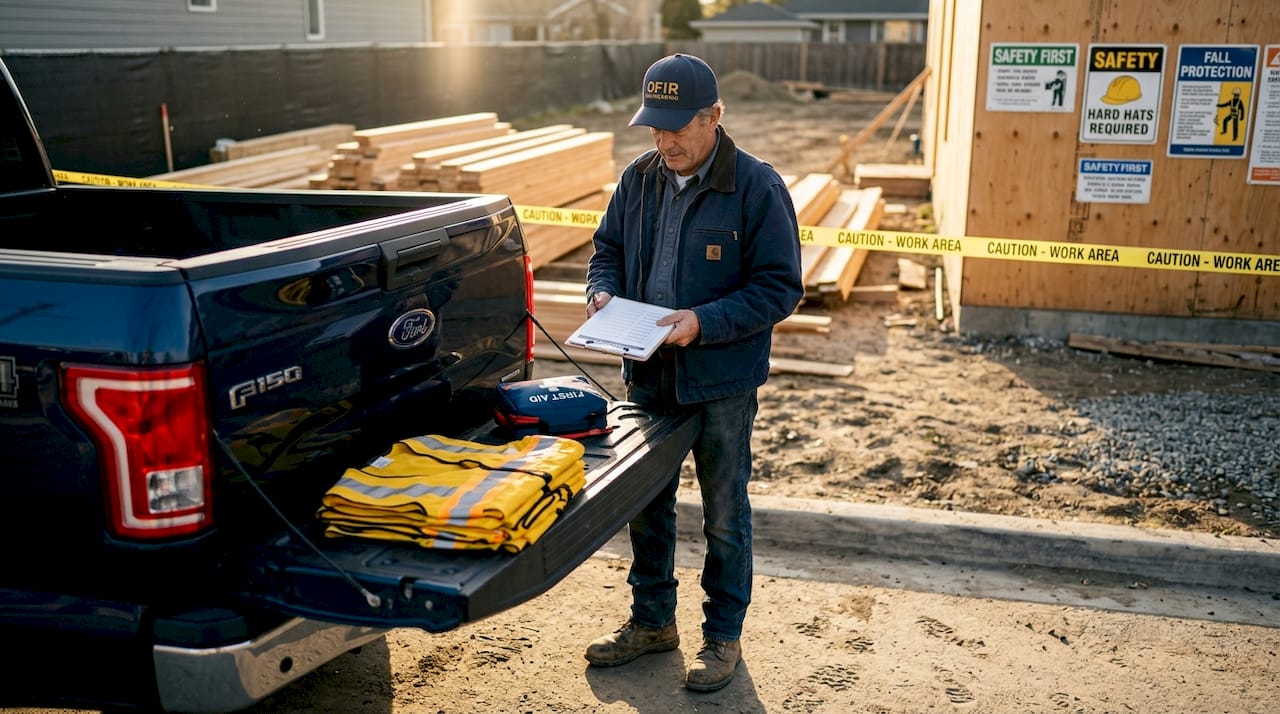
Site safety is another non-negotiable responsibility. OSHA regulations apply to residential construction sites, and a properly run project maintains hazard controls, required signage, and documented safety protocols. This protects workers, neighboring properties, and the homeowners themselves from liability.
General contractor vs. other roles: What's the difference?
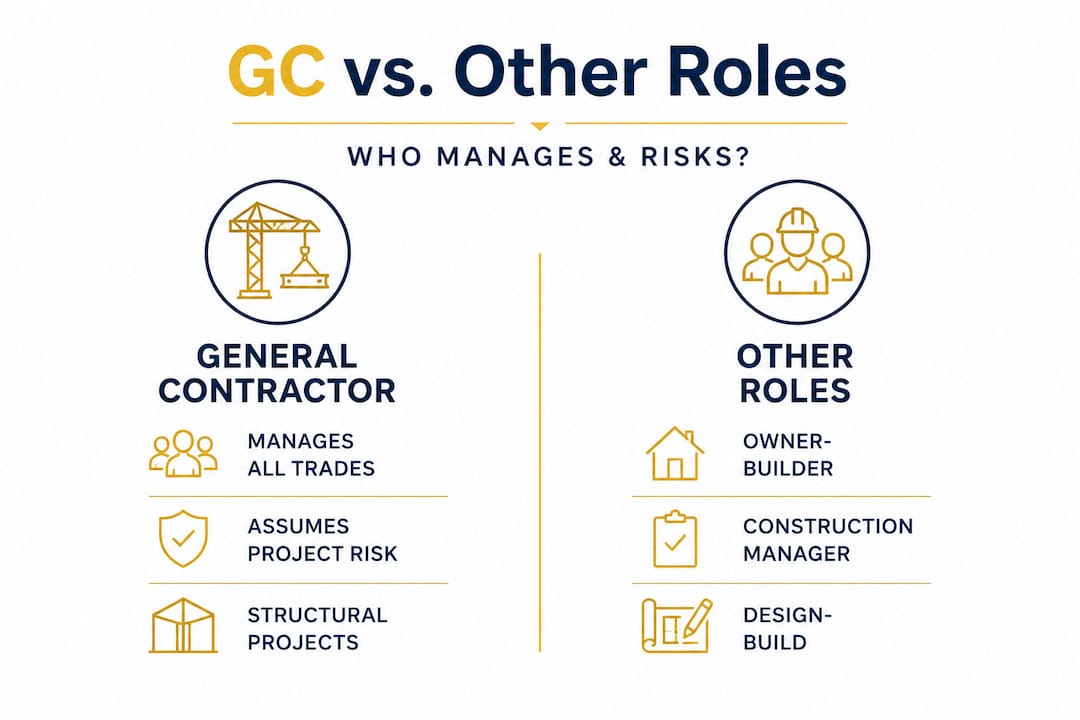
Jacksonville homeowners considering a construction or renovation project often encounter multiple terms that can create confusion: general contractor, construction manager, owner-builder, design-build firm. Each represents a distinct project delivery model with different risk profiles, cost structures, and outcomes.
As noted by NGCA, a GC is required for multi-trade structural or permit-driven projects; owner-builder arrangements expose homeowners to significant risk; construction managers are rarely used in residential settings; and design-build firms integrate design and construction under one contract. The following table summarizes these distinctions clearly:
| Role | Who manages the work? | Who assumes legal/financial risk? | Typical residential use |
|---|---|---|---|
| General contractor | GC manages all trades and schedule | GC assumes primary risk | Most residential builds and renovations |
| Construction manager | CM advises; owner directs trades | Owner retains risk | Rare in residential; more common in commercial |
| Owner-builder | Homeowner manages all trades | Homeowner assumes all risk | High-risk; limited to Florida-eligible scenarios |
| Design-build firm | Single firm handles design and build | Firm assumes integrated risk | Streamlined projects where speed is a priority |
The owner-builder path deserves particular attention. Florida law does allow homeowners to act as their own general contractor under specific exemptions, but the conditions are narrow and the risks are substantial. A homeowner who assumes this role takes on personal liability for every trade's work, may void their homeowner's insurance during construction, and can face mechanic's liens filed directly against their property if subcontractors are not paid properly. Reviewing a detailed project management checklist before considering this path makes the complexity immediately apparent.
Design-build firms offer speed and coordination advantages by combining the architect or designer and the contractor under one agreement. The tradeoff is reduced competitive bidding, which can limit cost comparison. For most Jacksonville homeowners undertaking a full renovation or new construction, a licensed general contractor who works with independent design professionals provides the best balance of accountability, competitive pricing, and quality control.
How Jacksonville homeowners benefit from the right general contractor
Jacksonville's construction environment presents challenges that are specific to this region and that make local GC expertise especially valuable. Florida's coastal climate, hurricane wind load requirements, high humidity, and soil conditions all influence how structures must be built to last. Florida Contractor Check confirms that GCs familiar with local code requirements deliver faster permitting, fewer inspection failures, and more durable results than contractors who work across multiple states without regional specialization.
The practical benefits Jacksonville homeowners gain from working with the right GC include:
- Permit speed and accuracy: A GC with established relationships at the Duval County Building Inspection Division understands submission requirements and avoids the back-and-forth that delays projects by weeks.
- Storm resilience compliance: Jacksonville falls within ASCE 7 wind zone territory, requiring specific fastening schedules, impact-rated windows, and roof-to-wall connection details. An experienced local GC builds these requirements into the project from day one.
- Subcontractor quality: Established GCs maintain rosters of vetted, licensed subcontractors they trust. A homeowner hiring independently is working without that history and vetting process.
- Single-point accountability: If something goes wrong, the homeowner calls the GC. There is no dispute between trades about who caused a problem or who is responsible for correcting it.
- Insurance continuity: The GC's general liability policy covers the project site. Without this, homeowners may discover their standard homeowner's policy excludes construction activity.
Pro Tip: Always verify a GC's license through the Florida Department of Business and Professional Regulation (DBPR) before signing any agreement. Look for a CGC (Certified General Contractor) designation, which confirms state-level qualification. When planning a renovation, building DBPR verification into your contractor screening process protects you before any money changes hands.
Contract structure is equally important. A well-written GC contract defines the complete scope of work, specifies materials by grade and manufacturer, establishes a milestone-based payment schedule, and caps the initial deposit. Florida law limits deposits to 10% for contracts under $2,500, and best practice for larger projects is to structure payments around verified progress milestones rather than calendar dates. A thorough remodeling checklist can help homeowners confirm that all critical contract elements are present before signing.
Pro tips for working successfully with a general contractor
Hiring the right GC is only the first step. How a homeowner manages the working relationship throughout the project determines whether the experience is smooth or contentious. These practical guidelines apply specifically to the Jacksonville residential market.
- Define scope in writing before any work begins. A detailed written scope of work, attached to the contract, eliminates ambiguity about what is and is not included. Verbal agreements about finishes, grades of materials, or specific products are a primary source of disputes.
- Limit your deposit and tie payments to milestones. Avoid any GC who demands more than 10 to 15 percent upfront on larger projects. Payment milestones should correspond to verifiable progress: foundation complete, framing complete, mechanical rough-ins complete, and so on.
- Track all change orders in writing. Any deviation from the original scope, whether initiated by the homeowner or the GC, should be documented with a signed change order before the work proceeds. Changes that are agreed verbally and billed later create the most common billing disputes.
- Use the RFI process for clarifications. If design intent is unclear, submit a written Request for Information (RFI) rather than making a verbal decision on site. The GC assumes "means and methods" responsibility, but the homeowner retains authority over design decisions. Keeping those decisions documented protects both parties.
- Verify that all subcontractors are licensed and insured. Ask your GC for certificates of insurance from every subcontractor on the project. A sub without workers' compensation coverage can expose the homeowner to injury claims.
- Insist on documented warranties at closeout. Manufacturer warranties on roofing systems, windows, HVAC equipment, and appliances should be transferred to the homeowner in writing at project completion, alongside the GC's workmanship warranty.
Pro Tip: If your project involves structural framing, it is worth asking the GC about material options beyond traditional wood. Light-gauge steel framing offers superior resistance to moisture, termites, and wind loads, which are three significant risk factors in Jacksonville's environment. A knowledgeable GC should be able to discuss both wood and steel frame systems and recommend the appropriate option for your specific project.
Why the right contractor, not just any contractor, makes or breaks your project
After more than 15 years of working on residential projects in Jacksonville, one pattern stands out consistently: homeowners who choose a general contractor based on the lowest bid frequently spend more money over the full project than those who selected a mid-range, well-credentialed contractor from the beginning. This is not speculation. It reflects the reality of what happens when a low-bid contractor encounters Jacksonville's permitting requirements, wind load compliance demands, or the humidity-related installation standards that experienced local contractors build into their process automatically.
The lowest bid is almost always lowest for a reason. It may exclude specific line items that will later appear as change orders. It may assume inferior material grades. It may rely on unlicensed or under-insured subcontractors who cost less per hour but deliver work that fails inspection or deteriorates prematurely. In a coastal Florida market, where moisture intrusion, storm exposure, and strict FBC enforcement are ongoing realities, these shortcuts carry compounding consequences.
The homeowners who achieve the best outcomes are those who invest time in planning tips before interviewing contractors, arrive at those conversations with specific questions about permitting experience, material specifications, and subcontractor vetting, and treat the GC relationship as a genuine professional partnership rather than a transaction to be minimized. Proactive, informed homeowners create the conditions in which a good GC can deliver their best work. Jacksonville's market rewards exactly that kind of engagement.
Ready to find a trusted general contractor in Jacksonville?
Ofir Engineering brings over 15 years of licensed residential construction experience to Jacksonville homeowners navigating new builds, full renovations, and complex remodeling projects.
Whether you are planning a full-scale home remodeling in Jacksonville project, moving forward with new home construction using Light Gauge Steel or Wood Frame systems, or simply need a trusted resource to walk through what a project will actually involve, Ofir Engineering provides the local code knowledge, licensed project management, and direct accountability that Jacksonville homeowners deserve. Explore the complete home renovation guide to understand what a well-planned project looks like from start to finish, and reach out to begin a conversation about your specific goals.
Frequently asked questions
Do I need a general contractor for small home improvements in Jacksonville?
You usually need a licensed general contractor for projects involving multiple trades or permits; for minor cosmetic changes, a licensed handyman may be sufficient, but any structural or system-level work requires a GC.
What's the difference between a general contractor and a construction manager for my home project?
A general contractor manages the entire build, assumes legal and financial risk, and coordinates all subcontractors directly; a construction manager typically only advises the owner, leaving the owner exposed to subcontractor risk and liability.
How do I know if a general contractor is licensed in Jacksonville?
Check the contractor's credentials through the Florida DBPR database and look specifically for a CGC designation, following the DBPR verification process before signing any agreement or releasing any funds.
What risks do I face if I act as my own general contractor?
You take on personal liability for all work and site safety, risk voiding your homeowner's insurance during construction, and may face mechanic's liens on your property; owner-builder exemptions in Florida are limited and the exposure is substantial.
Can a general contractor help with permits in Jacksonville?
Yes, permit acquisition is a core responsibility of a licensed general contractor, and an experienced Jacksonville GC will manage the entire submission, review, and inspection process on the homeowner's behalf.