

Choosing the right property upgrades is one of the most consequential decisions a homeowner or real estate investor can make. The wrong choice costs money with little to show for it, while the right one compounds returns for years. These tips for property upgrades cut through the noise by focusing on what actually moves the needle: return on investment, energy performance, livability, and long-term market appeal. Whether you are modernizing an older home in Jacksonville or repositioning an investment property for resale, the guidance below draws on Ofirengineering's 15-plus years of residential construction and renovation experience.
Table of Contents
- Key takeaways
- Tips for property upgrades: the criteria that matter most
- Top property upgrades to boost value and livability
- 1. Garage door replacement
- 2. Bathroom updates
- 3. Energy-efficient windows and insulation
- 4. Kitchen updates focused on function over luxury
- 5. Exterior siding upgrades with fiber cement
- 6. Smart home integration
- Comparing upgrades: ROI, cost, and best use cases
- Planning and executing upgrades without costly mistakes
- My perspective on getting property upgrades right
- How Ofirengineering helps Jacksonville property owners maximize upgrade ROI
- FAQ
Key takeaways
| Point | Details |
|---|---|
| ROI drives upgrade selection | Prioritize upgrades with documented returns, like garage door replacement at 90-95% ROI, over aesthetic-only changes. |
| Avoid layout changes when possible | Keeping plumbing, electrical, and structural layouts intact dramatically reduces labor costs and shortens timelines. |
| Budget a contingency reserve | Set aside 15-20% above your renovation budget to cover unforeseen structural and material issues. |
| Energy efficiency is a market priority | Over 70% of buyers now prioritize energy-efficient features, making those upgrades double as curb appeal enhancements. |
| Sequencing protects quality and budget | Following the correct renovation order, from demolition through finishes, prevents rework and protects your investment. |
Tips for property upgrades: the criteria that matter most
Before committing to any scope of work, every property owner should evaluate upgrades against a consistent set of criteria. Not all improvements are created equal, and the difference between a profitable renovation and a costly mistake often comes down to how well the decision was framed at the start.
Return on investment is the most direct measure. Some upgrades recoup a high percentage of cost at resale, while others, particularly luxury customizations, return far less than their price tag suggests. Researching local market comparables and construction upgrade ROI insights before breaking ground separates informed decisions from expensive guesses.
Energy efficiency has moved from a nice-to-have to a genuine buying criterion. Over 70% of buyers prioritize energy-efficient features when evaluating homes in 2026, which means upgrades to insulation, windows, and HVAC systems directly affect both occupant utility costs and resale positioning.
Key evaluation factors to apply to every proposed upgrade:
- Regulatory compliance: Jacksonville homes fall under specific building codes and permit requirements. Unpermitted work creates liability at resale and can void insurance coverage.
- Layout sensitivity: Moving plumbing, load-bearing walls, or electrical service panels multiplies costs quickly. Upgrades that work within the existing layout preserve budget.
- Over-customization risk: Highly personalized finishes, unconventional color choices, or niche design decisions narrow buyer appeal. Quality and functionality consistently outperform luxury customization in resale performance.
- Functional payoff: An upgrade that improves daily livability, such as better ventilation, additional storage, or improved natural light, delivers value whether or not the property sells.
Pro Tip: Before finalizing any upgrade scope, walk the property with a contractor and identify which improvements work within the existing mechanical and structural layout. That single discipline can cut your total project cost by 20-30%.
Top property upgrades to boost value and livability
The following six upgrades consistently deliver measurable returns, reduce operating costs, or meaningfully improve the day-to-day experience of living in a property. Each is supported by documented ROI data and practical execution guidance.
1. Garage door replacement
Garage door replacement ranks among the highest-ROI curb appeal projects available to homeowners, recovering 90-95% of cost at resale. The return is driven by immediate visual impact, improved insulation performance, and relatively low project cost compared to other exterior upgrades. Steel and composite options with insulated panels perform especially well in Florida's climate, where thermal resistance matters year-round.
2. Bathroom updates
Bathroom renovations deliver a 60-70% return on investment when scoped appropriately. The key is avoiding over-investment relative to the rest of the property. Replacing fixtures, re-tiling the shower surround, upgrading vanity lighting, and refinishing or replacing the vanity top typically yield the best cost-per-value ratio. A full gut renovation in a mid-range property rarely pays back proportionally.
Pro Tip: In bathrooms, keep the toilet, shower, and vanity in their existing locations. The moment plumbing moves, costs escalate sharply and the ROI calculation changes entirely.
3. Energy-efficient windows and insulation
Windows and insulation improvements address two of the most persistent complaints from buyers and tenants alike: high utility bills and inconsistent indoor temperatures. Energy-efficiency upgrades double as curb appeal enhancements, making them particularly effective for properties where both aesthetics and operating costs are selling points. In Jacksonville's heat and humidity, low-E glass coatings and spray foam insulation in attic spaces produce measurable cooling savings within the first year.
4. Kitchen updates focused on function over luxury
Kitchen renovations are among the most mismanaged upgrades in residential real estate. The data is clear: custom kitchen ranges at $15,000-plus do not add proportional value. Buyers respond to clean layouts, quality mid-range appliances, and durable surfaces rather than bespoke cabinetry or imported stone. Replacing countertops, updating cabinet hardware, installing new lighting, and adding a quality stainless appliance package consistently outperforms a full custom renovation on ROI.
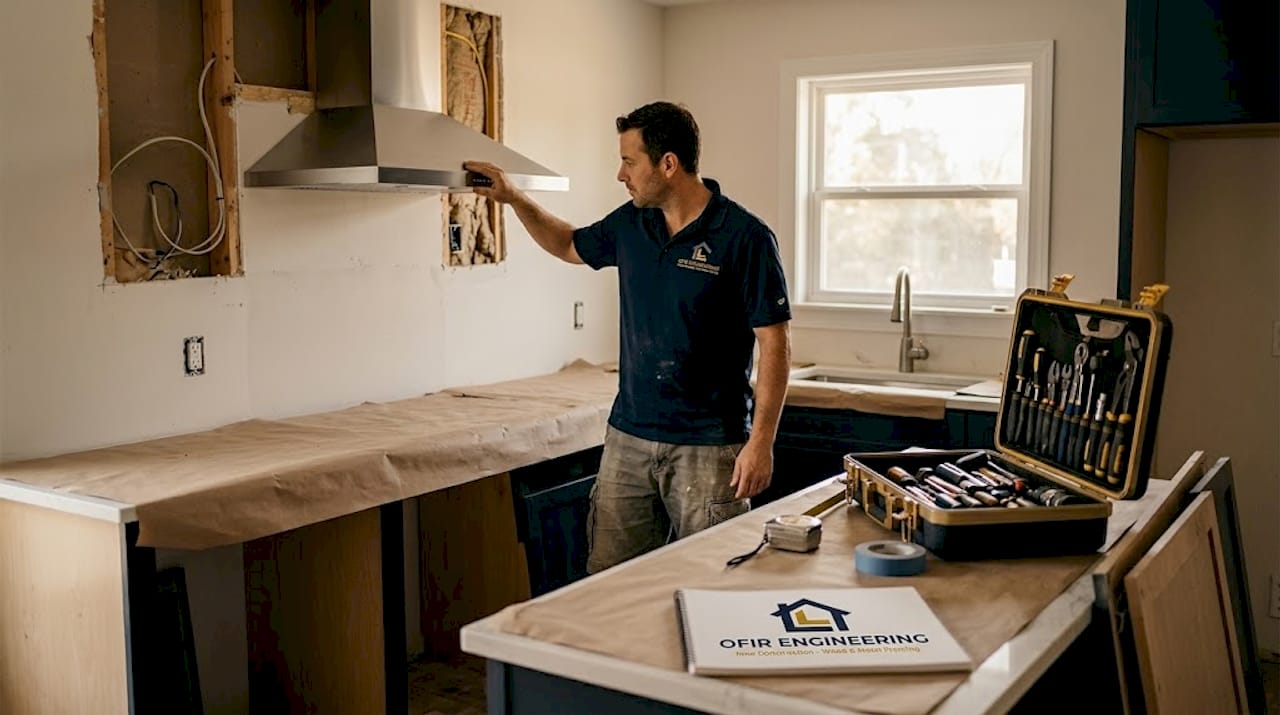
One often-overlooked detail: range hood sizing. Selecting a hood approximately 6 inches wider than the cooking surface significantly improves ventilation performance and reduces grease accumulation on surfaces, a functional upgrade that buyers notice even if they cannot articulate why the kitchen feels more finished.
5. Exterior siding upgrades with fiber cement
Fiber cement siding is one of the few upgrades that can actually recoup more than its cost at resale. Fiber cement siding replacement recovers approximately 114% of project cost, driven by its durability, low maintenance profile, and strong buyer perception. In coastal Florida markets, the resistance to moisture, termites, and impact damage makes it a functionally superior choice compared to vinyl or wood alternatives. The product also accepts paint well, giving property owners flexibility in exterior color without sacrificing performance.
6. Smart home integration
Smart home features have shifted from novelty to expectation in mid-to-upper-tier residential properties. Programmable thermostats, smart locks, video doorbells, and automated lighting systems add perceived value and appeal to a growing segment of buyers who prioritize convenience and energy control. The cost of entry is relatively low. A quality smart thermostat and a video doorbell system can be installed for under $500 combined, yet both show well during walkthroughs and demonstrate that a property has been thoughtfully maintained.
Comparing upgrades: ROI, cost, and best use cases
The table below provides a side-by-side comparison to help you match each upgrade to your specific goals, whether the priority is resale value, livability improvement, or operating cost reduction.
| Upgrade | Estimated ROI | Approx. Cost Range | Best For |
|---|---|---|---|
| Garage door replacement | 90-95% | $1,200 to $4,000 | Resale value, curb appeal |
| Bathroom update | 60-70% | $5,000 to $20,000 | Livability, mid-range resale |
| Energy-efficient windows | 65-75% | $8,000 to $20,000 | Utility savings, buyer appeal |
| Kitchen update (functional) | 60-80% | $10,000 to $30,000 | Livability, broad buyer appeal |
| Fiber cement siding | ~114% | $12,000 to $30,000 | Resale, durability, curb appeal |
| Smart home features | 50-70% | $500 to $5,000 | Tenant/buyer appeal, convenience |
A few practical observations drawn from this comparison:
- Fiber cement siding and garage door replacement offer the strongest resale returns relative to cost. If the goal is maximizing sale price, these two upgrades should be prioritized.
- Bathroom and kitchen updates carry wider cost ranges because scope creep is common. Define the scope precisely before requesting quotes to prevent budget overruns.
- Smart home features carry a lower direct ROI percentage but also the lowest entry cost, making them ideal additions when budget remains after higher-priority upgrades are completed.
- High-value renovations in Jacksonville may differ from national averages due to local buyer preferences, climate considerations, and neighborhood price ceilings.
Planning and executing upgrades without costly mistakes
Even the right upgrades can deliver poor outcomes if they are planned or executed poorly. Renovation management is where most homeowners and investors lose money, not in the selection of the upgrade itself.
Renovation sequencing matters more than most people expect. The standard order moves from demolition through structural work, rough electrical and plumbing, insulation, drywall, cabinetry and fixtures, then finishes and flooring. Skipping steps or reversing this order of work forces rework, damages completed surfaces, and adds labor costs that were never in the original budget.
Best practices for managing your upgrade project:
- Finalize all material and design selections before work begins. Changes made mid-project are consistently the single largest source of cost overruns. Tile, fixtures, paint colors, and hardware should all be specified and ordered before demolition starts.
- Build in a 15-20% contingency fund. Unforeseen conditions, including concealed water damage, outdated wiring, or substandard prior work, appear in the majority of renovation projects. Without a contingency reserve, these discoveries force scope cuts on visible finishes to cover hidden repairs.
- Maintain original plumbing and wiring locations wherever possible. Relocating mechanical systems is the most expensive line item in most renovation budgets. Working within the existing infrastructure layout delivers the same functional result at a fraction of the cost.
- Vet contractors thoroughly. Request references from projects of comparable scope, verify licensing and insurance, and confirm that the contractor has experience with the specific type of work being performed. In Jacksonville, licensing requirements under Florida statute apply to all residential contractors.
Pro Tip: If possible, live in the property for a period before starting a major renovation. Day-to-day use reveals which pain points genuinely need addressing and which changes you might have spent money on unnecessarily. This discipline reduces design regrets significantly.
The step-by-step renovation process for Jacksonville homes follows a defined sequence that protects both the budget and the finish quality throughout execution.
My perspective on getting property upgrades right
I have worked through enough renovation projects to have a clear view on where most property owners go wrong: they upgrade for themselves instead of upgrading for the market.
Over-customization is the most common and costly error I see. A homeowner installs a specific tile pattern they love, a kitchen color that reflects personal taste, or a bathroom fixture set that is genuinely beautiful but sits outside the design vocabulary of comparable homes in the neighborhood. These choices reduce buyer appeal without any corresponding increase in market value. The market rewards quality, durability, and functional design, not personal expression.
The upgrades that have consistently impressed me as underappreciated are the practical ones: proper insulation, functional kitchen ventilation, durable exterior cladding. These are not the upgrades that photograph well or make for compelling social media content, but they are the ones that buyers feel during a walkthrough and remember when they are writing an offer.
My honest take on smart home features and energy systems in 2026: the buyers who care about them care a lot, and the buyers who do not care are generally indifferent rather than opposed. That asymmetry makes those upgrades worthwhile even at modest ROI percentages.
Partnering with an experienced firm like Ofirengineering matters most when the project involves multiple trades, tight sequencing, or significant structural scope. The cost of professional project management is almost always recovered through avoided rework, better material procurement, and tighter timeline control.
— Owen
How Ofirengineering helps Jacksonville property owners maximize upgrade ROI
Ofirengineering brings over 15 years of licensed residential construction and renovation management experience to homeowners and investors across Jacksonville. The firm's capabilities span new construction in Light Gauge Steel and Wood Frame systems, full-home renovations, targeted upgrades, and end-to-end project management that keeps timelines and budgets on track.
For property investors focused on return maximization, Ofirengineering's ROI-focused renovation strategies provide a structured framework for prioritizing upgrades relative to local market conditions, property type, and investment goals. For homeowners preparing for resale or planning long-term improvements, the team offers home renovation guidance tailored to Jacksonville's specific climate, building codes, and buyer expectations. Contact Ofirengineering directly to discuss your project scope and get a professional assessment before committing to any upgrade plan.
FAQ
What property upgrades have the highest ROI?
Garage door replacement and fiber cement siding replacement consistently deliver the strongest returns, with ROI figures of 90-95% and approximately 114% respectively. Functional kitchen and bathroom updates also perform well when scoped conservatively.
How do I avoid overspending on a home renovation?
Finalize all material selections before work begins, maintain original plumbing and electrical layouts wherever possible, and set aside a contingency reserve of 15-20% above your planned budget to cover unexpected conditions.
Which upgrades are best for energy efficiency?
Insulation improvements, low-E window replacements, and programmable smart thermostats offer the strongest combination of utility savings and buyer appeal, particularly in climate-sensitive markets like Jacksonville where cooling costs are significant.
When should I hire a professional contractor instead of DIYing?
Any work involving structural changes, electrical or plumbing modifications, or permits under Florida building code requires a licensed contractor. DIY is most appropriate for cosmetic work such as painting, fixture swaps, and landscaping.
Do smart home features add resale value?
Smart home features add measurable appeal for a growing segment of buyers and typically return 50-70% of cost at resale. Their low entry cost makes them efficient additions after higher-priority structural and mechanical upgrades are complete.