
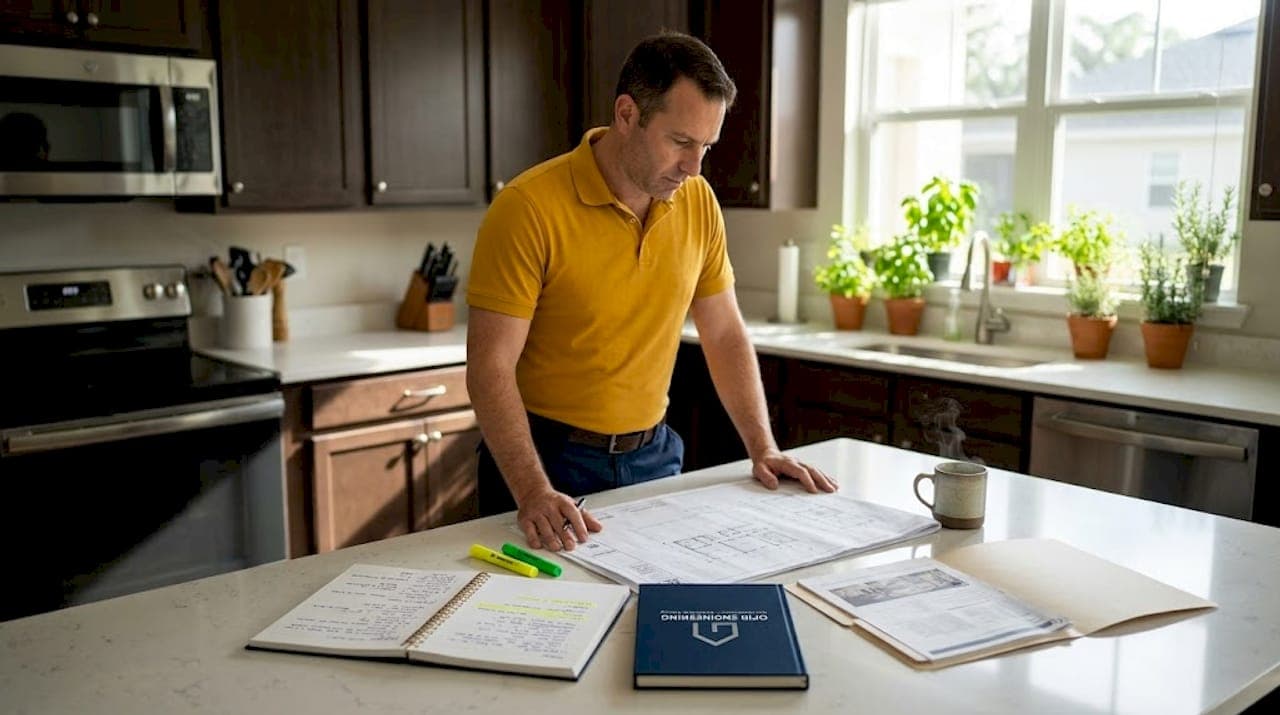
Cost overruns, missed deadlines, and contractor miscommunications are among the most common frustrations homeowners and investors face when undertaking residential construction or renovation in Jacksonville. These problems are not inevitable. Residential construction management follows a lifecycle of phases that include planning, budgeting, permitting, compliance, scheduling, resource allocation, and coordination among stakeholders, and each phase carries specific risks that organized project management can prevent. This guide delivers a clear, step-by-step strategy for controlling every stage of your Jacksonville build or remodel, from initial scoping through final sign-off.
Table of Contents
- Understanding the construction project lifecycle
- Essential preparation: Planning, budgeting, and scoping
- Scheduling, contractors, and active management
- Tracking progress, verifying quality, and managing changes
- Our perspective: What most guides miss about project management for Jacksonville homes
- Get expert support for your Jacksonville construction project
- Frequently asked questions
Key Takeaways
| Point | Details |
|---|---|
| Start with detailed planning | Clarify scope, budget, and permitting before beginning any Jacksonville construction or renovation project. |
| Control changes with documentation | Always use written change orders to manage scope shifts and avoid cost overruns. |
| Actively manage contractors | Track progress, enforce contracts, and don’t release final payment until all punch list items are resolved. |
| Adapt to local requirements | Tailor your project management practices to suit Jacksonville’s codes, permitting, and contractor market. |
| Document every phase | Keep thorough records at each step—from budgeting to final inspection—to protect your investment. |
Understanding the construction project lifecycle
To build a strong strategy, you first need to see the big-picture structure and responsibilities of every residential construction project.
Residential construction typically moves through three primary phases: pre-construction, active construction, and project closeout. Each phase has distinct deliverables, decision points, and stakeholders who carry specific responsibilities. Skipping steps in any phase, or blurring responsibilities between parties, is one of the most reliable predictors of budget and schedule failure.
Pre-construction covers all planning, budgeting, permitting, site assessment, and contractor selection that happens before a single tool is lifted. Active construction spans site preparation, framing, mechanical, electrical, and plumbing (MEP) rough-ins, inspections, insulation, drywall, finishes, and fixture installation. Closeout includes final inspections, punch list resolution, certificate of occupancy, and final payment release.
Jacksonville introduces specific variables that shape every phase. The City of Jacksonville's permitting office processes applications through its BuildMyPermit system, and timelines can shift based on project type, workload, and completeness of submitted documents. The region's subtropical climate, with hurricane season running from June through November, means scheduling exterior work and structural milestones demands awareness of weather windows. Labor availability also fluctuates seasonally, so contractor selection and scheduling timelines should account for this local reality.
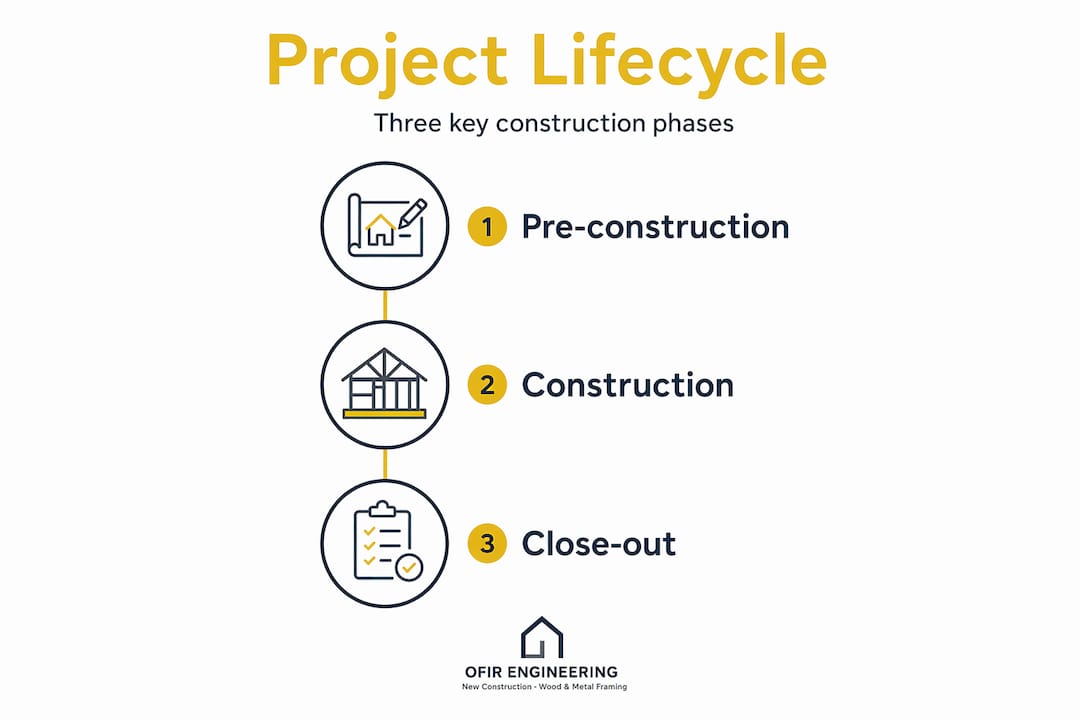
A useful way to clarify responsibilities is to map each role against each phase. The table below outlines how a homeowner, investor, and general contractor each contribute across the three phases.
| Phase | Homeowner | Investor | General contractor |
|---|---|---|---|
| Pre-construction | Define scope, approve budget, sign permits | Approve ROI targets, review plans | Develop schedule, procure subcontractors |
| Active construction | Monitor progress, approve changes | Track budget vs. actuals | Coordinate trades, manage site safety |
| Closeout | Sign off on punch list, release final payment | Verify ROI compliance | Obtain certificate of occupancy |
Using a project management checklist for Jacksonville ensures each phase is completed correctly before the next begins.
Key responsibilities to track across the lifecycle include:
- Planning: Confirming scope, design drawings, and structural requirements before permitting
- Budgeting: Establishing detailed line-item estimates with contingency reserves
- Permitting and compliance: Submitting accurate documentation and responding to any corrections promptly
- Scheduling: Setting realistic milestones that account for inspection hold points and weather risks
- Coordination: Maintaining consistent communication with all subcontractors and inspectors
Understanding managing your construction project from a lifecycle perspective helps you anticipate problems before they become costly surprises.
Essential preparation: Planning, budgeting, and scoping
With the big picture in mind, let's look at how to prepare your project to run smoothly and stay within budget.
A construction planning workflow typically includes defining scope, estimating and developing a budget, scheduling (often via the Critical Path Method, or CPM), resource allocation, a procurement strategy, risk management, and stakeholder communication protocols. Cutting corners in any of these areas during pre-construction is one of the primary drivers of construction disputes and cost overruns.
Scope definition is the single most consequential decision a project owner makes. Scope describes exactly what will be built, to what standard, using which materials, within what site boundaries. Ambiguous scope creates room for disagreement, unauthorized substitutions, and scope creep, which is the gradual addition of unplanned work that inflates cost and extends schedule.
The table below outlines typical budgeting categories with Jacksonville-specific notes.
| Budget item | Typical percentage of total budget | Jacksonville-specific notes |
|---|---|---|
| Permits and fees | 1–3% | Varies by project type; verify with City of Jacksonville |
| Site work | 5–10% | Florida's soil conditions may require additional preparation |
| Materials | 40–50% | Lumber, steel, and concrete prices fluctuate; lock in pricing early |
| Labor | 25–35% | Seasonal demand affects subcontractor availability and rates |
| Contingency reserve | 10–15% | Higher end recommended for older home renovations |
| Soft costs (design, engineering) | 3–8% | Required for permitted structural work |
Once scope and budget are established, the timeline must be built around realistic durations and local inspection hold points, which are stages where a city inspector must review and approve work before it can be covered up or continued.
The 5 must-do actions before breaking ground are as follows:
- Finalize and freeze the written scope of work, signed by all parties
- Obtain all required permits and verify that your contractor holds a valid Florida license
- Confirm material lead times and place critical orders to prevent schedule delays
- Establish a written change order process that requires approval before any deviations begin
- Set up a project communication protocol, including a single point of contact and a documentation method
Following construction planning tips specific to the Jacksonville market can help you identify regulatory requirements that are often overlooked in generic guides.
Pro Tip: Always freeze scope in writing before issuing any contracts or purchasing materials. Every scope change after that point, no matter how small, should be submitted as a formal written change order with a cost and schedule impact clearly stated before work begins.
Scheduling, contractors, and active management
Once you're prepared, the key to success is picking reliable partners and keeping your project tightly managed, and here's how to do it.
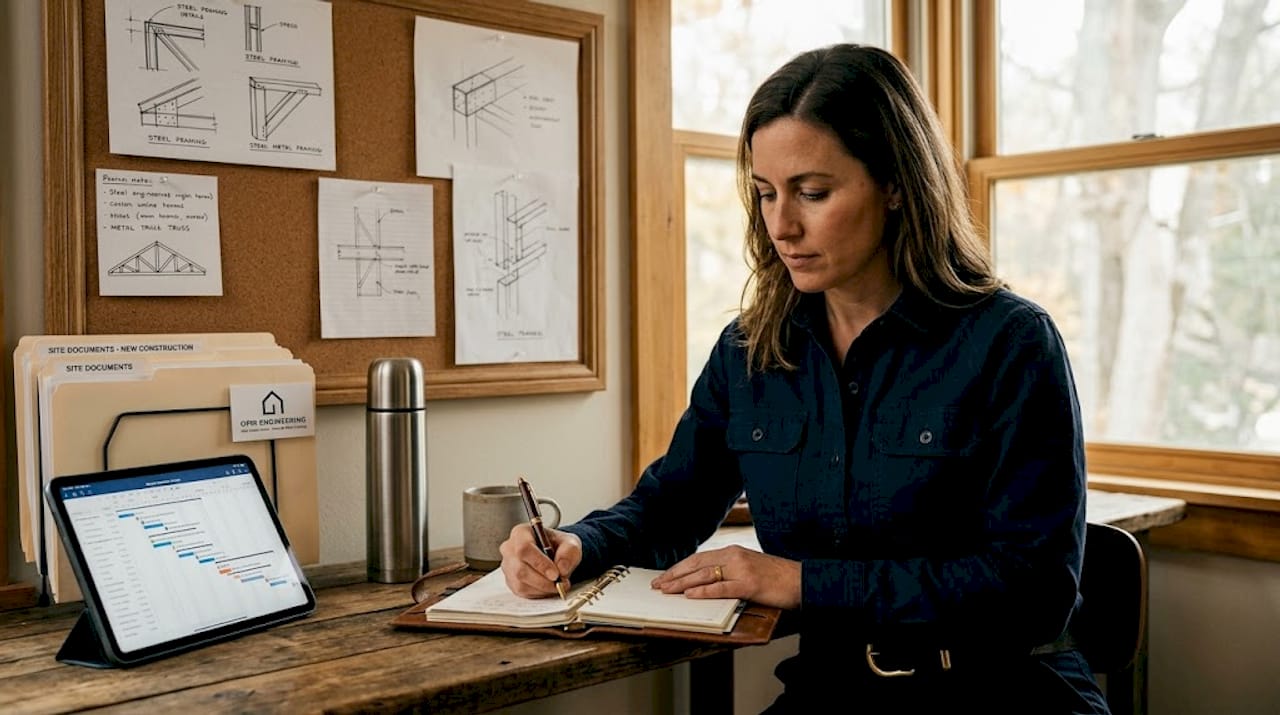
Active project management for homeowners involves scoping, tracking costs and timelines, documentation, contract and payment control, and inspections and punch lists. Selecting the right general contractor is the most consequential hiring decision in this process. Due diligence should include verifying Florida licensure (the contractor license number should appear on all contracts), checking the Contractor License Search tool maintained by the Florida Department of Business and Professional Regulation, reviewing a minimum of three recent references from similar project types, and reviewing their insurance certificates for general liability and workers' compensation coverage.
Understanding general contractor basics helps homeowners ask the right questions during the selection process and evaluate bids accurately rather than defaulting to the lowest price.
Scheduling should follow critical path method principles, even if you are not using formal scheduling software. The CPM identifies which tasks are sequential and cannot start until predecessors are complete (for example, framing must be inspected before insulation begins), and which tasks can run in parallel (for example, exterior painting and interior trim installation can sometimes overlap). Understanding your project's critical path prevents you from focusing attention on non-critical tasks while true schedule drivers sit idle.
Six controls to enforce through contracts and payments:
- Require a detailed scope of work and material specification as a contract exhibit
- Structure payments as milestone-based disbursements, not time-based or front-loaded draws
- Require lien waivers from subcontractors and suppliers at each payment stage
- Specify liquidated damages or schedule remedies for delays caused by contractor negligence
- Define the change order process explicitly: no verbal approvals, written only, signed by both parties
- Retain a final payment holdback (typically 5–10%) until all punch list items are resolved and the certificate of occupancy is issued
Engaging professional project management services removes the burden of enforcing these controls daily while giving you experienced eyes on contractor performance and schedule compliance.
Pro Tip: Never release final payment until every punch list item has been physically verified, all warranty documentation has been provided, and the certificate of occupancy is in hand. The contractor's urgency to close out should never override your right to a complete, compliant project.
Tracking progress, verifying quality, and managing changes
As the project unfolds, disciplined tracking and smart adaptability make all the difference.
One key principle from PMI's PMBOK Guide is that tailoring the project management approach to the specific environment and objectives is not optional but an explicit project management principle. A bathroom remodel and a new ground-up construction project have fundamentally different risk profiles, permitting requirements, inspection cadences, and stakeholder needs. Managing both with an identical checklist leads to either excessive overhead on small projects or dangerous gaps in oversight on large ones.
Documentation is the most underused tool available to homeowners and investors. Many construction disputes that escalate to litigation or contractor board complaints could have been resolved quickly with a clear paper trail showing what was agreed to, what changed, who approved it, and when.
What to document at each phase:
- Pre-construction: Signed contracts, permit approvals, design drawings, specification sheets, material selections with model numbers and finishes
- Active construction: Daily or weekly progress photos with timestamps, all verbal conversations confirmed in writing via email, signed change orders with cost and schedule impacts, copies of all inspection reports
- Closeout: Punch list with completion dates, warranty documentation from manufacturers and contractor, final lien waivers, certificate of occupancy, as-built drawings if required
Quality verification should occur at three levels. First, the homeowner or owner's representative should conduct informal walkthroughs at key milestones such as framing, rough MEP, and pre-drywall. Second, the city inspector conducts code inspections at mandated hold points, and these inspections are not optional or negotiable. Third, a final walkthrough and formal punch list process should be conducted before any final payment is released.
Understanding the full construction project lifecycle helps you recognize which quality verification activities belong to each phase and prevents gaps in oversight.
Critical reminder: The punch list is a formal document listing all incomplete, deficient, or non-conforming items identified at final walkthrough. Final payment should not be released until every item on that list is physically resolved and re-inspected. Pressure to release payment before punch list completion is the single most common mistake that leaves homeowners with unfinished work and no leverage.
Managing change orders proactively is equally important. Every approved change should be added to a running change order log that tracks the original contract amount, each approved change, the revised contract total, and the impact on schedule. This running log prevents budget surprise at the end of the project and creates a clear audit trail.
Our perspective: What most guides miss about project management for Jacksonville homes
Most project management guides treat scope freeze and change control as administrative formalities. In practice, especially in Jacksonville's active construction market, scope drift is the primary cause of cost overruns. A homeowner who allows verbal scope changes, even small ones, loses accountability. By the time the project closes out, a series of individually reasonable-sounding decisions has added 15 to 25 percent to the original contract value, with no clear record of who agreed to what.
The documentation habit is the most powerful tool available to a non-professional owner, and it is almost always skipped because it feels bureaucratic during the excitement of an active build. Confirming every verbal conversation in a brief email, maintaining a change order log, and keeping organized folders of photos and inspection reports takes less than thirty minutes per week. The protection that documentation provides, however, can be worth tens of thousands of dollars if a dispute arises.
Jacksonville also introduces challenges that generic national guides do not address. Permitting timelines can shift based on staffing changes at the City of Jacksonville's permitting office, revisions to Florida Building Code cycles, or changes in hurricane-related requirements. Labor shortages in specialty trades, particularly electricians and HVAC technicians, are a recurring constraint that can compress schedules if subcontractor availability is not confirmed early in pre-construction.
The mindset shift that separates successful project owners from frustrated ones is straightforward: treat your residential build or renovation as an investment project with defined performance targets, not simply as a home improvement event. Maximizing renovation ROI depends not just on material selection and design choices, but on the discipline of managing schedule and budget throughout execution. Every week of delay has a carrying cost. Every uncontrolled scope change has a return on investment implication. Treating the project with that level of financial discipline, from day one, produces materially better outcomes.
Get expert support for your Jacksonville construction project
With the right mindset and process, you're set up for success. Adding professional tools and support makes your project even smoother from start to finish.
Ofir Engineering (license CHC1540016) brings over 15 years of Jacksonville residential construction experience to homeowners and investors who want to eliminate guesswork from their projects. From pre-built planning checklists to full-service project management, the firm provides structured support at every phase. Start with the checklist for Jacksonville project management to confirm your pre-construction readiness, explore new construction homes in Jacksonville for ground-up build guidance, or follow the renovation step-by-step guide for full-home remodel support. Professional oversight protects your investment and keeps your project on time and within budget.
Frequently asked questions
What is the most important first step in residential project management?
Freezing and clarifying the scope before starting is the most critical step. As construction planning resources confirm, the strongest pattern across successful projects is to freeze scope early and then control all changes through written documentation throughout execution.
How do you control costs during a home construction project?
Track expenses against your budget weekly, require written change orders before any deviation begins, and enforce milestone-based payments. Cost control for homeowners depends on not releasing final payment until all punch list items are fully resolved and verified.
What are common project management pitfalls for Jacksonville homeowners?
Unclear scope, inadequate documentation, and failure to adapt plans to local code requirements are the most frequent sources of overruns. Tailoring management to local conditions is a recognized project management principle that directly applies to Jacksonville's specific permitting and climate environment.
Can non-contractors manage their own construction or renovation successfully?
Yes, homeowners and investors can manage projects effectively by following a structured process. Successful homeowner remodels consistently involve active scoping, cost tracking, documentation, and rigorous inspection and punch list management throughout the project.
Why are permitting and compliance extra important in Jacksonville?
Jacksonville's subtropical climate, hurricane exposure, and Florida Building Code requirements create specific structural and safety compliance obligations that directly affect project approvals. As residential construction lifecycle principles confirm, permitting and compliance are non-negotiable phases that carry real schedule and cost consequences if handled incorrectly.