
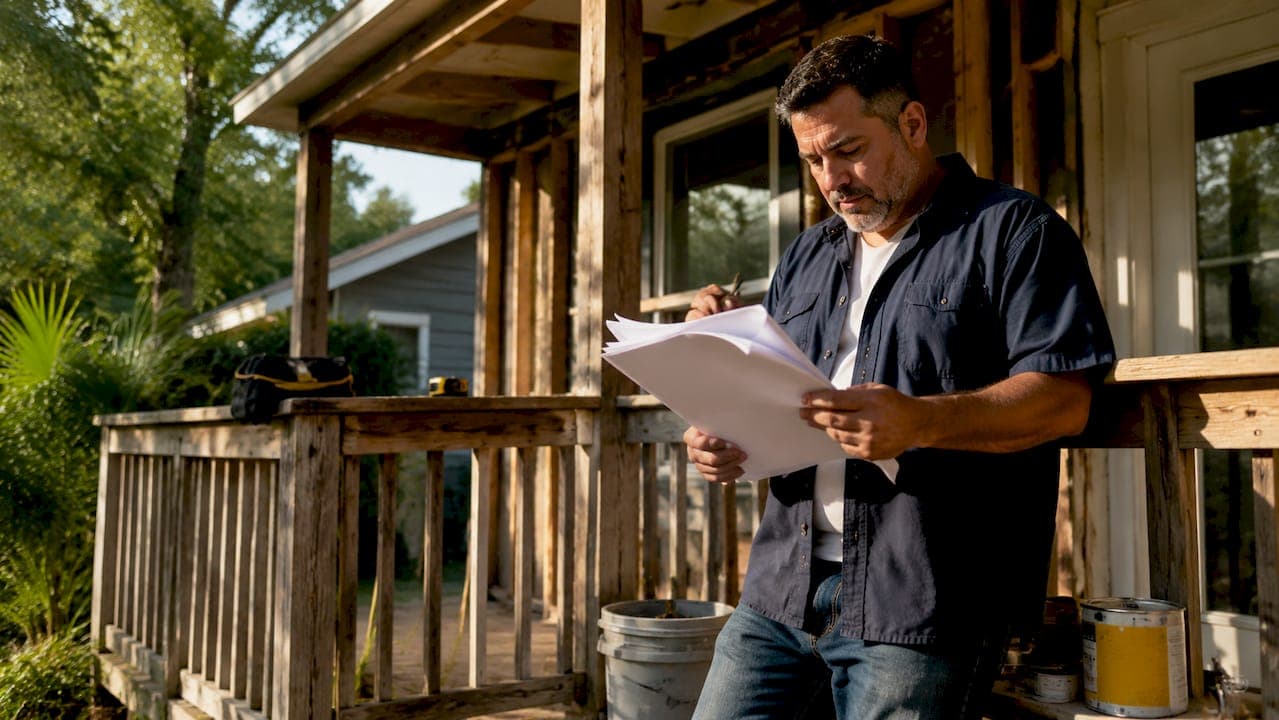
Renovating a rental property in Jacksonville is defined as the process of upgrading an occupied or vacant investment unit to increase its market value, rental yield, and tenant retention. Jacksonville's rental market rewards owners who plan renovations around Florida Building Code compliance, local labor costs, and tenant expectations specific to Northeast Florida. Whether you own a single-family rental in Riverside or a multifamily building in Arlington, the decisions you make before breaking ground determine whether the project generates profit or erodes it. Ofirengineering, a licensed Jacksonville contractor (CHC1540016) with over 15 years of local experience, provides the framework this guide is built on.
How to renovate rental property in Jacksonville: permits and contractor rules
The single most important legal fact for Jacksonville landlords is this: Florida prohibits rental owners from using the owner-builder permit exemption. All major construction work, including electrical, plumbing, mechanical (HVAC), and structural changes, must be performed by licensed contractors pulling permits under the Florida Building Code (FBC). This rule applies regardless of property size or renovation scope.
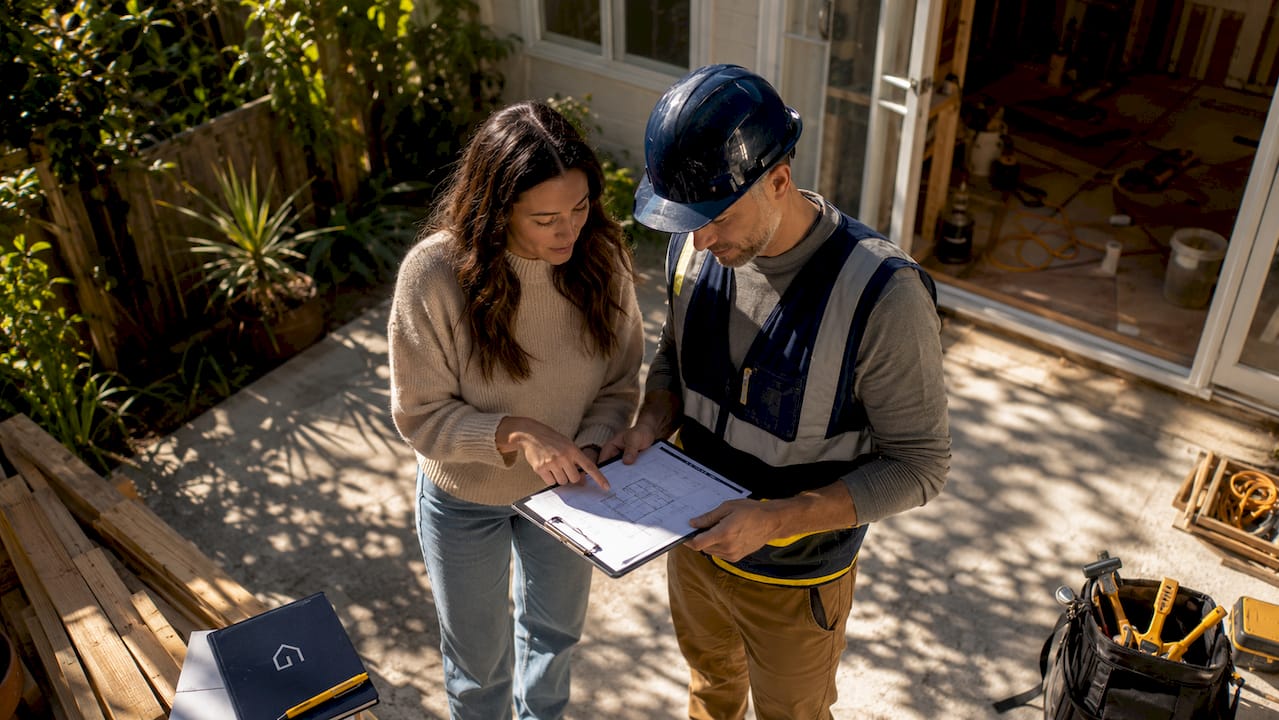
Understanding which work triggers a permit saves time and money. The table below summarizes the most common permit categories for Jacksonville rental renovations.
| Work type | Permit required | Licensed contractor required |
|---|---|---|
| Electrical panel or wiring | Yes | Yes |
| Plumbing rough-in or reroute | Yes | Yes |
| HVAC replacement or addition | Yes | Yes |
| Structural wall removal | Yes | Yes |
| Flooring replacement | No | Recommended |
| Interior paint | No | No |
| Window replacement | Yes (FBC wind rating) | Yes |
Beyond pulling permits, Jacksonville property owners must also account for ADA path of travel requirements. When you renovate a primary function area, the Florida Building Code triggers mandatory ADA upgrades along the path from the building entrance to the altered area. These upgrades cover parking, doorways, corridors, and restrooms, and their cost is capped at 20% of the primary renovation budget. For multifamily properties, this can add thousands of dollars that owners frequently fail to budget for.
Tenant notification is also a legal and practical obligation. Best practice requires 24 hours' notice for routine access and 30 days' notice for major disruptions, with possible rent concessions or temporary relocation assistance for extended work. Failing to communicate clearly with tenants creates disputes that delay projects and expose owners to legal liability.
Pro Tip: Apply for permits before finalizing your contractor schedule. The Jacksonville building permit process can add weeks to a project timeline if documentation is incomplete at submission. Early application with full drawings prevents rejections and keeps your start date intact.
How to plan a remodel budget and contingency for Jacksonville rental properties
Flat per-door budgeting fails in Jacksonville's multifamily market. Experienced investors budget by square footage and unit-level condition, because a 650-square-foot unit in a 1970s concrete block building requires fundamentally different scoping than a 1,200-square-foot unit in a 2005 wood frame structure. Applying a single dollar figure per door across a portfolio leads to cost overruns that eliminate projected returns.
The following cost drivers are specific to Jacksonville rental renovations and must be factored into every budget:
- Permit and inspection fees: Jacksonville's Building Inspection Division charges fees based on project valuation. Budget 1–3% of total project cost for permits alone.
- ADA path of travel upgrades: As noted above, these are capped at 20% of primary renovation cost but still represent a real line item, especially for older properties.
- Hurricane code compliance: Window and door replacements must meet FBC wind load requirements for Duval County's ASCE 7 wind zone territory. Impact-rated products cost more than standard alternatives.
- Labor availability: Jacksonville's construction labor market tightens seasonally. Projects scheduled during peak building seasons face higher subcontractor rates and longer lead times.
- Material staging costs: Properties without dedicated staging space require off-site storage, which adds logistics costs that flat-rate budgets ignore.
A contingency fund of 10–15% is the standard recommendation for single-family rentals. For older multifamily buildings in Jacksonville, 15–20% is more realistic. Hidden conditions such as outdated knob-and-tube wiring, cast iron drain lines, or subfloor rot are common in properties built before 1990 and are rarely visible without opening walls.
Physical walkthroughs of every unit before finalizing the budget are non-negotiable. Budget failures in Jacksonville multifamily renovations primarily occur from insufficient physical inspection and flat-rate budgeting that ignores unit size and condition variance. Walking every unit reveals the true scope of work and prevents the mid-project surprises that destroy cash flow projections.
Pro Tip: Phase renovations across unit turnovers rather than renovating all units simultaneously. This approach preserves rental income during construction, reduces tenant disruption, and allows you to refine your scope and cost estimates after the first unit is complete. Ofirengineering structures many Jacksonville multifamily projects this way to protect owner cash flow.
For owners exploring financing options alongside budgeting, Ofirengineering's resource on renovation project financing covers the most practical funding structures available to Jacksonville investors.
What renovations yield the best ROI in Jacksonville's rental market?
The highest-return upgrades in Jacksonville's rental market are those that meet current tenant expectations without over-improving for the submarket. Stainless steel appliances, washer/dryer hookups, and hard-surface flooring are no longer premium differentiators. They are baseline expectations in most Jacksonville rental price brackets. Properties lacking these features face longer vacancy periods and lower achievable rents.
The comparison below reflects typical outcomes for Jacksonville rental renovations based on local market conditions.
| Renovation type | Estimated rent increase | Vacancy impact |
|---|---|---|
| Kitchen update (cabinets, countertops, appliances) | $75–$150/month | Significant reduction |
| Bathroom refresh (vanity, tile, fixtures) | $50–$100/month | Moderate reduction |
| Hard-surface flooring (LVP throughout) | $50–$75/month | Moderate reduction |
| Washer/dryer hookup addition | $50–$100/month | Significant reduction |
| Exterior paint and landscaping | Minimal direct increase | Strong reduction |
| HVAC replacement | Minimal direct increase | Prevents vacancy loss |
Exterior improvements deserve more attention than most Jacksonville investors give them. Simple exterior upgrades such as landscaping, front door replacement, and exterior lighting yield measurable reductions in vacancy periods by improving first impressions during showings. A tenant who drives past an unkempt exterior often never schedules a tour.
Kitchen and bathroom upgrades consistently produce the strongest direct rent increases. The key is calibrating finish levels to the submarket. A Southside Jacksonville property competing in the $1,800–$2,200 per month range warrants quartz countertops and tile backsplashes. A property in a workforce housing corridor does not. Over-renovating for the submarket produces finishes that tenants appreciate but will not pay a premium for, which destroys the renovation's return on investment.
Ofirengineering recommends evaluating three to five comparable rental listings within a one-mile radius before selecting finish levels. This analysis, combined with a physical property inspection, produces a renovation scope that is calibrated to what the local market will actually reward.
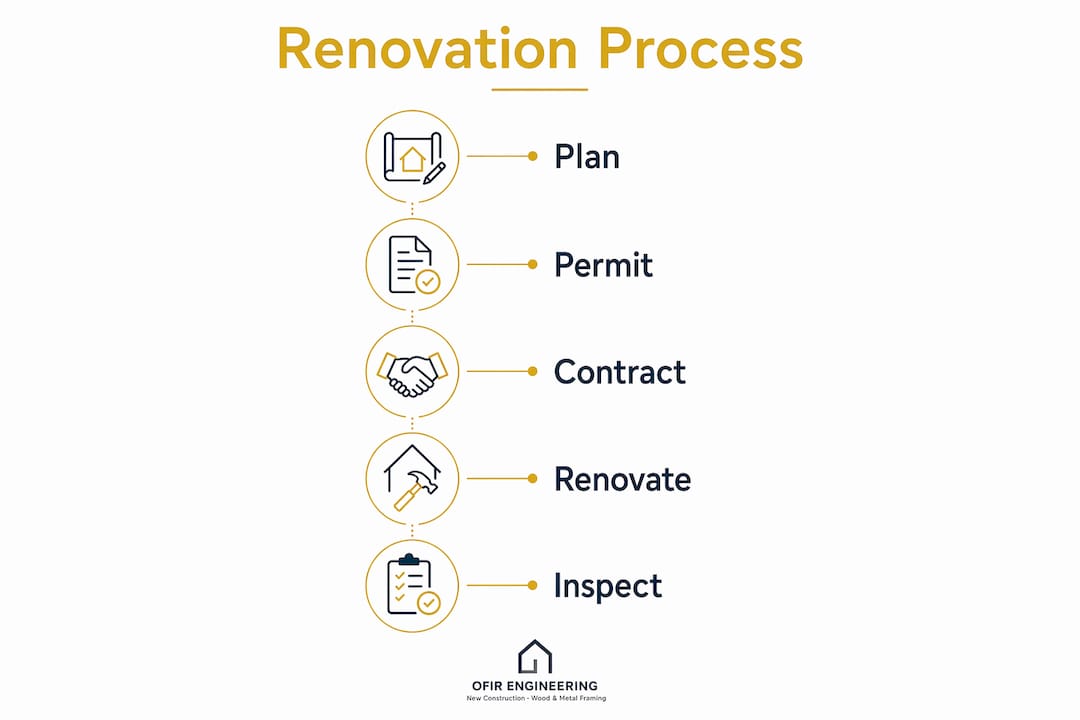
Step-by-step process to execute a Jacksonville rental renovation
A structured execution process prevents the most common and costly mistakes Jacksonville property owners make. The steps below apply to both single-family and multifamily rental renovations.
-
Complete a unit-by-unit physical inspection. Document existing conditions with photos and written notes. Identify structural, mechanical, and cosmetic deficiencies in every space. This inspection drives the scope of work and the budget.
-
Define the scope and select a licensed contractor. Verify contractor licenses through the Florida Department of Business and Professional Regulation (DBPR) before signing any agreement. Confirm the contractor carries general liability and workers' compensation insurance specific to Florida.
-
Submit permit applications early. Early application and full documentation prevent rejections and delays from Jacksonville's Building Inspection Division. Incomplete submissions are the leading cause of permit delays on rental renovation projects.
-
Develop a tenant communication plan. Provide written notice of work schedules, affected areas, and expected durations. For major work, 30 days' advance notice is best practice, with documented rent concessions if habitability is temporarily affected.
-
Stage materials and plan site access carefully. Access problems blocking tenant parking and inadequate staging space are among the most common causes of schedule delays on Jacksonville multifamily projects. Designate staging areas and contractor parking before work begins.
-
Manage inspection milestones. Florida requires inspections at multiple stages for electrical, plumbing, and structural work. Coordinate with your contractor to schedule inspections promptly at each milestone to avoid work stoppages.
-
Complete post-renovation cleaning and document the finished condition. Photograph every space before re-occupancy. This documentation protects owners in future tenant disputes and establishes the baseline for the next renovation cycle.
Pro Tip: Before signing a contractor agreement, conduct a jobsite walkthrough with the contractor present. Reviewing red flags during the walkthrough such as deferred maintenance, hidden water damage, or access constraints allows you to adjust the scope and budget before work begins rather than after.
Key Takeaways
Successful Jacksonville rental renovations require Florida Building Code compliance, square-footage-based budgeting, and finish selections calibrated to the local submarket to produce measurable returns.
| Point | Details |
|---|---|
| Licensed contractors are mandatory | Florida law prohibits owner-builder permits for rental properties; all major work requires licensed contractors. |
| Budget by square footage, not per door | Unit-level physical inspections prevent the cost overruns that flat-rate budgeting consistently produces. |
| ADA path of travel costs are real | FBC requires ADA upgrades when renovating primary function areas, capped at 20% of primary renovation cost. |
| Baseline upgrades drive occupancy | Stainless appliances, hard-surface flooring, and washer/dryer hookups are market expectations, not premium features. |
| Phased renovations protect cash flow | Renovating during tenant turnovers preserves rental income and allows scope refinement between units. |
What 15 years of Jacksonville renovations actually taught me
The most expensive mistake I see Jacksonville rental owners make is not a bad contractor choice or a permit delay. It is the decision to skip the physical walkthrough and trust a spreadsheet instead. I have seen investors budget a full multifamily renovation based on a broker's per-unit estimate, only to discover mid-project that half the units had cast iron drain lines that needed full replacement. That single oversight turned a projected 18-month payback into a 36-month one.
Local code knowledge is not optional in Jacksonville. The Florida Building Code is updated on a regular cycle, and Duval County has specific wind zone requirements that affect every window and door replacement. Contractors who work primarily outside Northeast Florida sometimes miss these requirements, which leads to failed inspections and costly rework. Relationships with Jacksonville's municipal inspectors matter. Knowing how to submit documentation correctly the first time is a skill that saves weeks on every project.
The other lesson I would pass on is this: tenant communication is a project management tool, not just a legal obligation. Owners who communicate renovation schedules clearly and in advance experience fewer access disputes, fewer complaints to code enforcement, and faster project completions. The 30-day notice standard exists for good reason. Treat it as a minimum, not a target.
Ofirengineering has executed renovations across Jacksonville's most active rental submarkets, from San Marco to the Northside. The pattern that produces the best outcomes is consistent: thorough inspection, accurate budgeting, licensed execution, and finish levels matched to the submarket. There is no shortcut that replaces those four elements.
— Owen
How Ofirengineering supports Jacksonville rental property owners
Jacksonville rental property owners who want to increase rental yield and reduce vacancy need a construction partner who understands both the Florida Building Code and the local rental market. Ofirengineering provides licensed renovation services, permit management, and full project oversight for single-family and multifamily rental properties across Duval County.
From kitchen and bathroom upgrades to full unit turnovers and exterior improvements, Ofirengineering manages every phase of the renovation process. The team's 15-plus years of Jacksonville experience means permit applications are submitted correctly the first time, licensed subcontractors are vetted and scheduled efficiently, and finish selections are calibrated to maximize your renovation return on investment. Contact Ofirengineering to schedule a property walkthrough and receive a scope-based renovation estimate for your Jacksonville rental.
FAQ
What permits are required to renovate a rental property in Jacksonville?
Electrical, plumbing, HVAC, structural, and window replacement work all require permits under the Florida Building Code. Jacksonville's Building Inspection Division processes these permits, and all permitted work must be performed by licensed contractors.
Can a Jacksonville landlord act as their own contractor for rental renovations?
No. Florida law prohibits rental property owners from using the owner-builder permit exemption. All major construction on rental properties must be performed by licensed contractors with valid Florida licenses.
How much contingency should I budget for a Jacksonville rental renovation?
Budget 10–15% contingency for single-family rentals and 15–20% for older multifamily properties. Hidden conditions such as outdated wiring, cast iron plumbing, and subfloor damage are common in pre-1990 Jacksonville buildings and rarely visible without opening walls.
What renovations increase rent the most in Jacksonville?
Kitchen updates, bathroom refreshes, hard-surface flooring, and washer/dryer hookup additions consistently produce the strongest rent increases in Jacksonville's rental market. Exterior improvements reduce vacancy periods but typically do not produce direct rent increases.
How do I notify tenants before starting a renovation in Jacksonville?
Provide written notice at least 24 hours before routine access and 30 days before major disruptions. For work that affects habitability, document any rent concessions or relocation arrangements in writing to protect both parties.